
Double-Hung Window Types
Tilt-In (Tilt-Wash) Double-Hung Windows
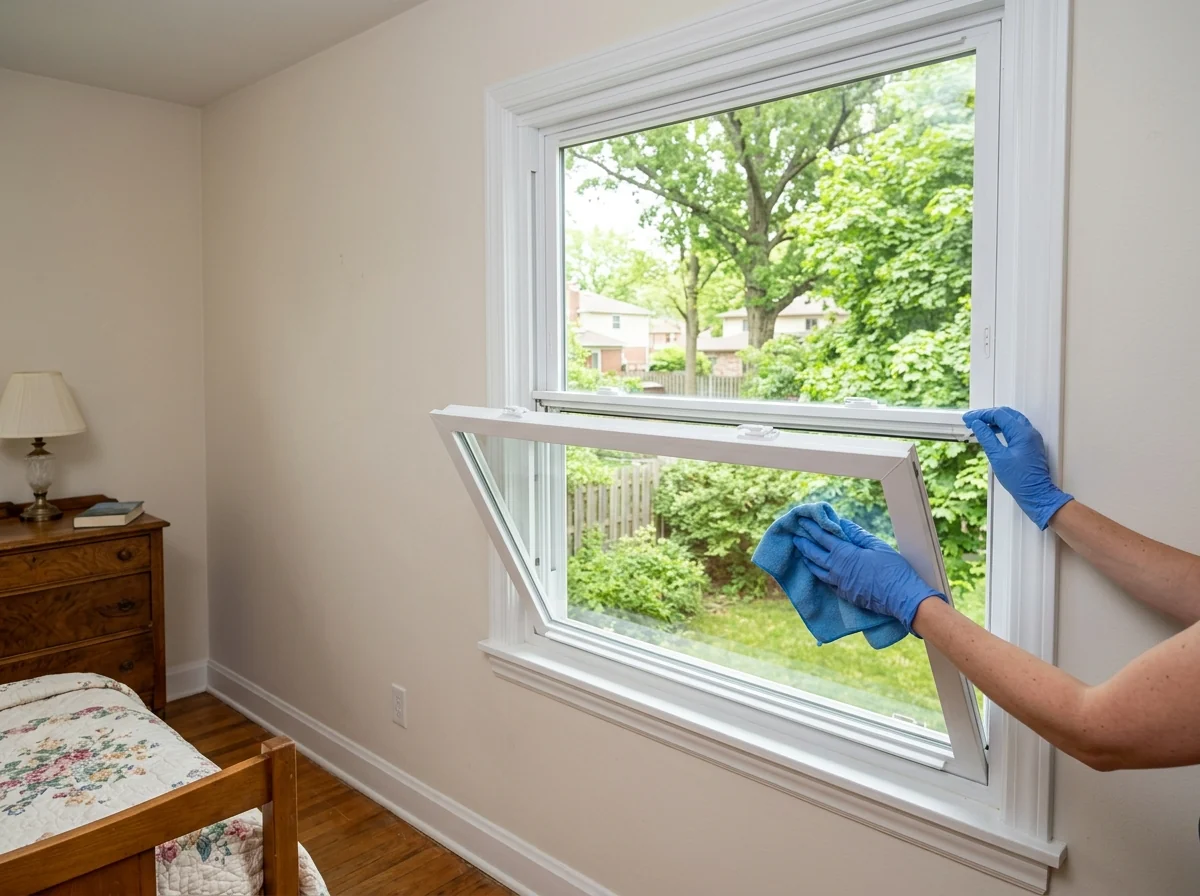
A double-hung window has two sashes that slide up and down to vent at the top, the bottom or both. HomeGuide notes many brands make them with sashes that tilt in so the outside of the glass can be cleaned from inside. On a second-floor bedroom, that feature alone is a good reason to pick double-hung over anything that has to be cleaned from a ladder.
The parts that wear are the balances (the springs in the side jambs that hold a sash where you leave it) and the weatherstrip where the sashes meet. Ask what balance system the window uses and whether replacement balances can be ordered by the series name on the label. Years from now, that's the difference between a balance repair (HomeGuide's national range is $50 to $100) and a new window. Sash and balance repair on an existing window is covered on window sash replacement.
Single-Hung Windows
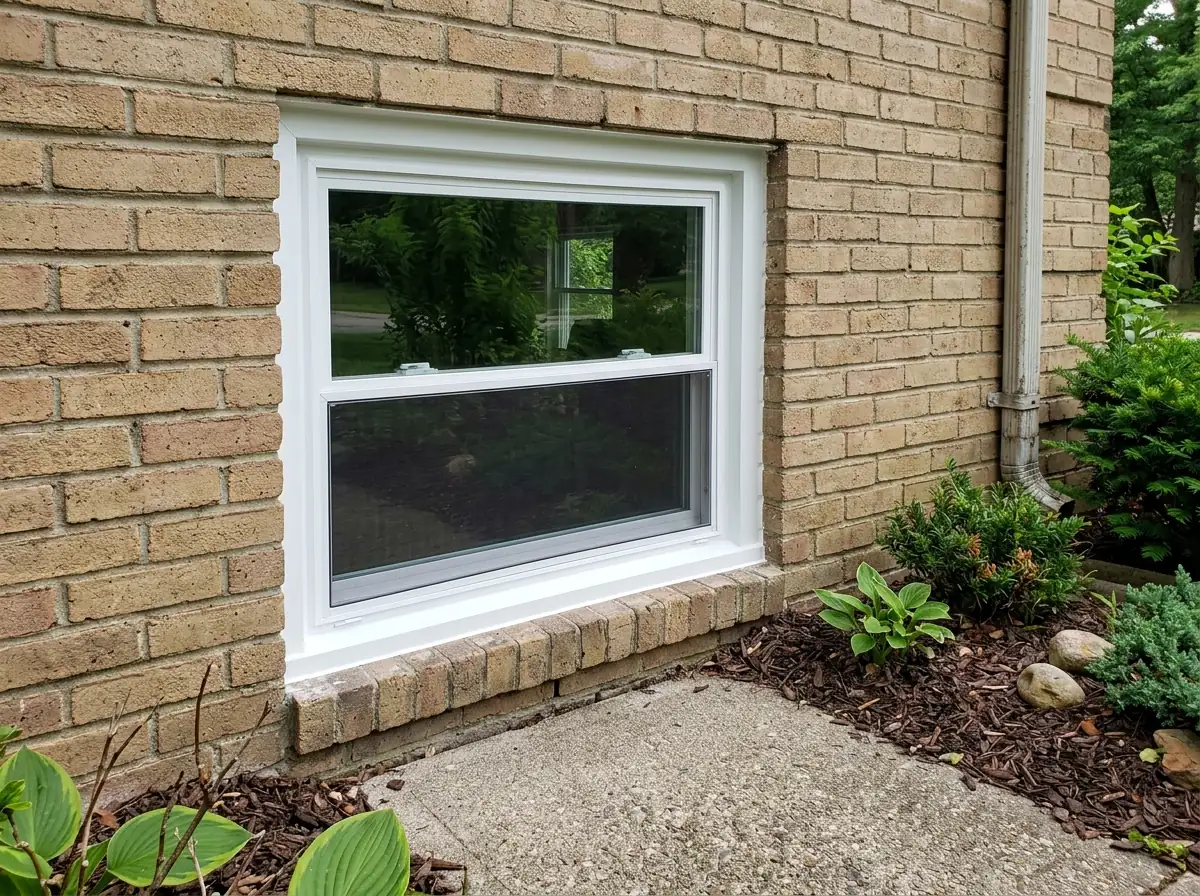
On a single-hung, the top sash stays fixed and only the bottom one slides up. HomeGuide's national range is $300 to $2,100 installed, a little below double-hung's $350 to $2,500. A fixed top sash is one less moving seal. The catch is cleaning: the outside of that upper glass has to be reached from outdoors. Single-hung makes the most sense on ground-floor windows you can wash with a hose or from a step stool outside, and in rooms where you'd never open the top anyway.
Grille Options: Between-Glass and Simulated Divided Lite
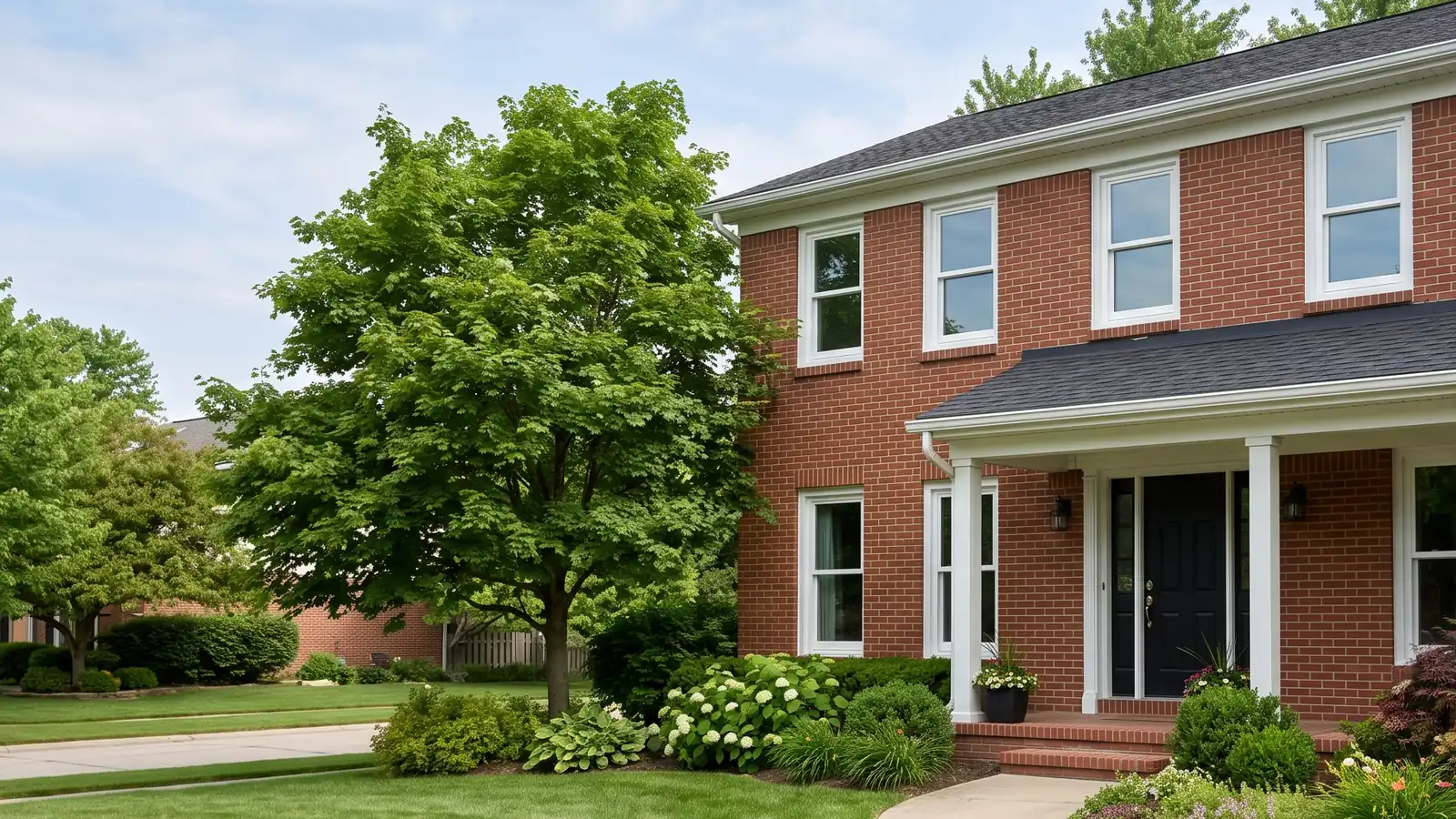
Grilles give a double-hung its colonial look. Grilles between the glass sit sealed inside the insulated unit, so they never need cleaning and the glass stays flat on both faces. Simulated divided lites put bars on the outside and inside of the glass, often with a spacer between the panes, so the window throws real shadow lines like old true divided lites. They cost more and make cleaning slower. On the front of a traditional colonial, simulated divided lites look right from the street. Around the back, grilles between the glass are fine, or leave them off.
Double-Hung Inserts in Old Wood Frames
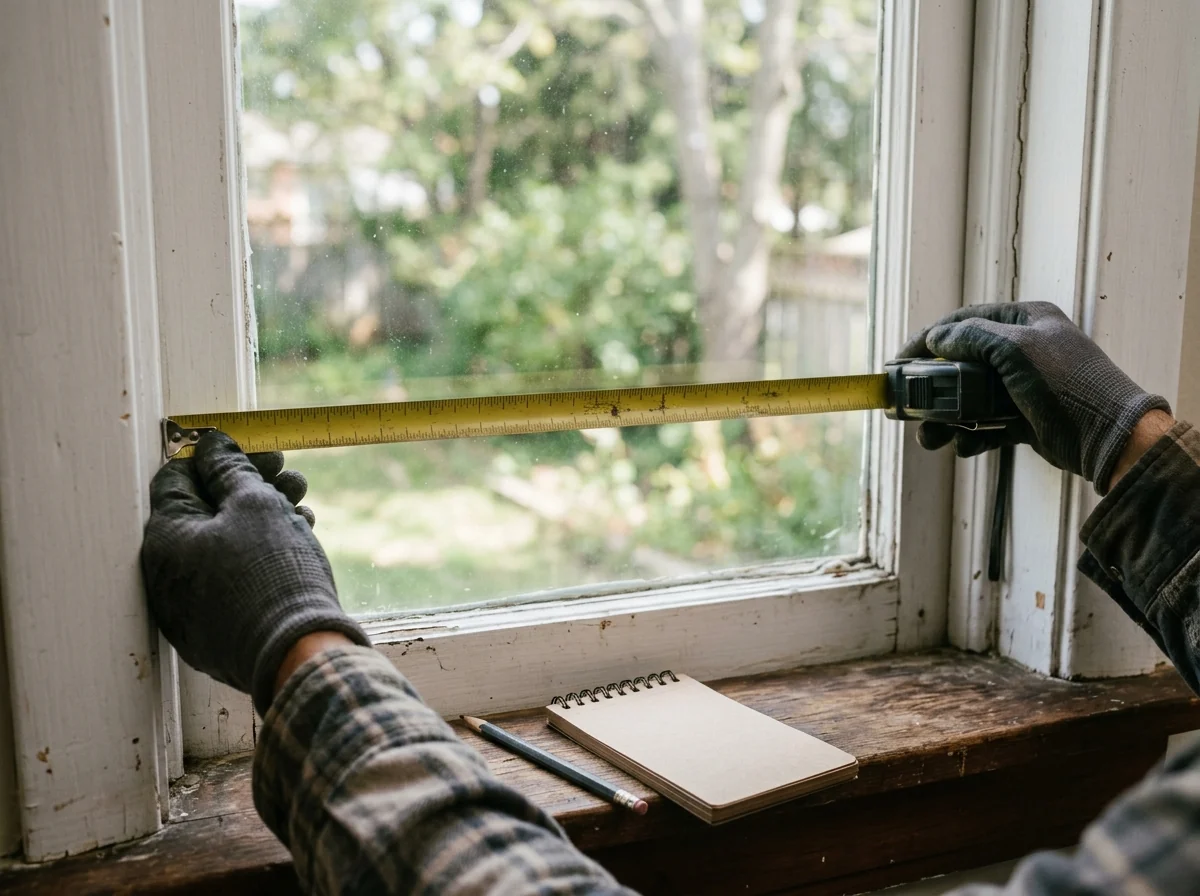
An insert (pocket) replacement fits a new window inside the existing frame. HomeGuide says it's common when the new window is the same size and style as the old one, which is what a double-hung-for-double-hung swap is. The old sashes, parting stops and balances come out, and the new unit sets against the existing stops. It only works if the frame is sound, square and dry. In a house built before 1978, pulling those sashes disturbs paint, which brings in EPA's lead-safe rules. See insert replacement windows for brick openings and measuring.
Bedroom Double-Hung Sizes That Meet Egress Clear Opening
Every sleeping room needs one escape opening, and a double-hung only opens half its height. With the lower sash open 24 inches, the code's minimum height, it needs about 34 inches of clear width to reach the 5.7 square feet required above grade (our calculation from the code's figures). That's why bedroom double-hungs tend to be tall and wide, and why a casement often meets the rule in a smaller frame.
Replacement windows get some relief on sill height. The full sizes and that exception are on egress window installation, which also covers basements and new openings.
Why Troy homeowners call Troy Windows
- Free in-home measure of every opening
- Written, itemized quote before any work
- Frames and sills checked before a price
- One local window installer, not a call list
- No charge to homeowners for the referral
Double-Hung Window Replacement Cost in Troy
National installed ranges per window:
| Style | Installed, national | Source |
|---|---|---|
| Double-hung | $350 to $2,500 | HomeGuide, 2026 |
| Double-hung | $300 to $1,000 | Fixr, 2026 |
| Single-hung | $300 to $2,100 | HomeGuide, 2026 |
Insert or full-frame
An insert keeps the frame and interior trim. Full-frame adds tear-out, flashing and trim.Frame material
Clad wood and fiberglass cost more than vinyl for the same opening.Grilles
Simulated divided lites cost more than grilles between the glass.Older paint
Pre-1978 houses add lead-safe containment and cleanup.
Choosing Double-Hung Windows for a Troy Home
Check the Label for Zone 5A
A double-hung's sashes slide past their weatherstrip rather than clamping onto it, so read its air leakage rating as well as the U-factor. Look for 0.30 or lower on that line, which is DOE's guidance; it tells you more about drafts than the frame color or the brochure. The U-factor limit for Troy is on the energy efficient windows page.
Fall Protection on Upper Floors
Upstairs, check the sill height. Where an operable window's sill is less than 24 inches above the floor and more than 72 inches above the ground outside, the code requires fall protection: an opening that won't pass a 4-inch sphere, or an opening control device meeting ASTM F2090. In a bedroom, that device must still let the window open to the full escape size. If the window you're quoted comes with limit stops, ask whether they meet that standard.
Match the House
If your house has double-hungs now, keeping the style and grille pattern on the street side protects its look, and a mixed front elevation is hard to undo. Inside, matching sash heights keeps a room of windows lined up at the meeting rail. If you're replacing in phases, write down the series name and color from the first order, so the second batch matches the first even years later. When we pass a request on, a note about which windows face the street helps the installer quote grilles only where they count.