
Window Capping Services
Aluminum Coil Capping (Brake-Bent)
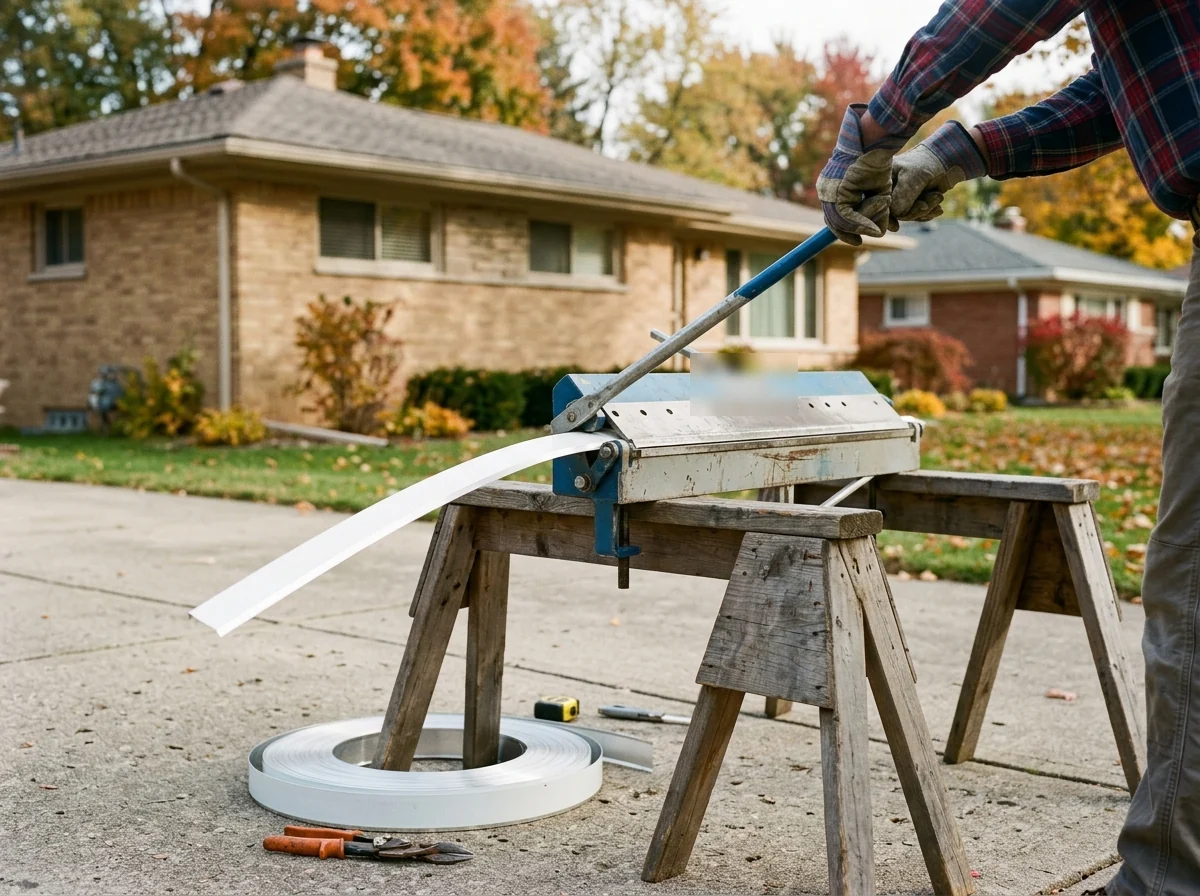
Most residential capping is factory-painted aluminum coil. The installer measures each piece of trim, cuts the coil and bends it on a portable brake into a profile that wraps the wood: a face, a return to the window frame and a return to the wall. Pieces lap like shingles, with the upper piece over the lower one, so water runs off instead of into the joint.
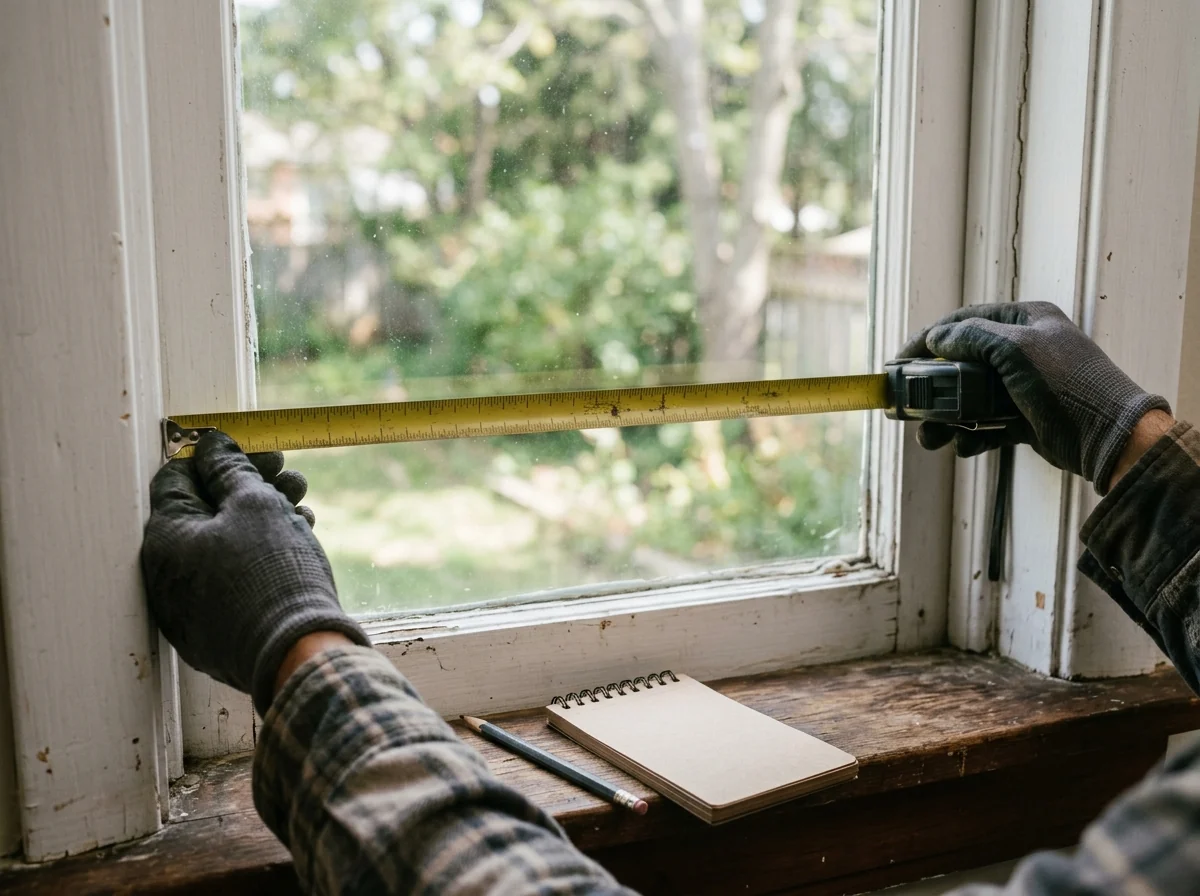
Measurement and bending are where the craft shows. A crisp profile that sits tight to the wood looks like part of the window. A loose one oil-cans in the sun and catches wind. Ask to see a capped window on another house before the date is booked. It's a fair request, and it tells you more than a brochure.
PVC-Coated Capping
The alternative to painted aluminum is vinyl-coated aluminum coil: aluminum for stiffness with a vinyl surface layer. It's bent and fastened the same way. The reason to ask about it is the finish. Paint on some aluminum coil stock starts to chalk or fade in about five years, so "maintenance-free" claims are worth a question. Ask what finish the coil has, what color range it comes in, and whether it matches the frame color of your windows.
Brickmould Capping in Brick Openings
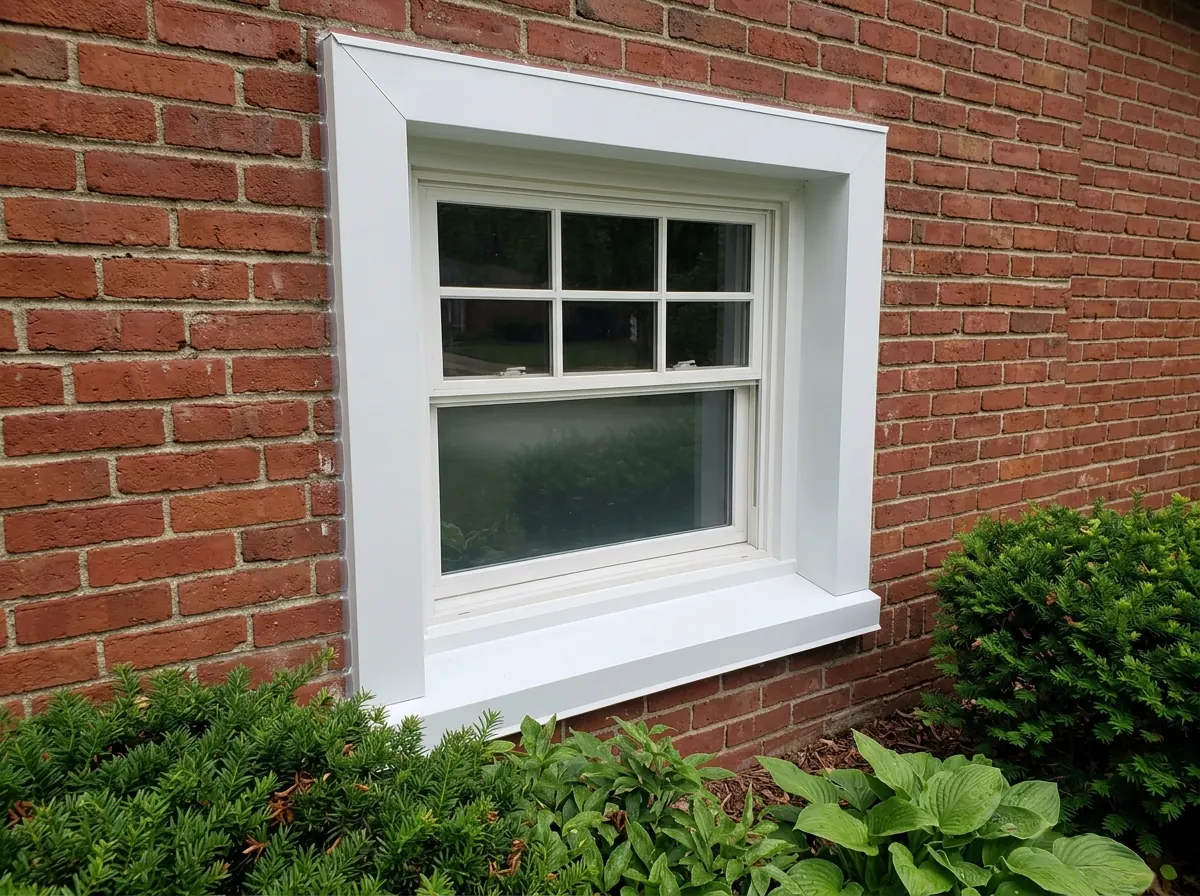
On a brick ranch or colonial, the wood brickmould sits between the window and the masonry, and that's the trim that gets wrapped. The capping returns tight to the window frame on one side and to the brick on the other. The joint at the brick is sealed with a flexible bead rather than fastened into the masonry.
This is where capping goes with replacement windows most often. An insert window keeps the old frame, and capping covers the old wood outside it in the same visit. See insert replacement windows and full-frame window replacement for the install side.
Sill Capping
The sill catches everything above it: rain runs down the glass onto it, and snow sits on it. With January lows near 19°F in the Detroit-area normals, a sill here spends months wet and freezing. A capped sill needs to slope away from the window and drip off its front edge, not back toward the wall.
Probe the sill with a screwdriver before it gets covered. If the tip sinks in, the wood is rotting, and wrapping it in metal only hides it. Rotted sills are cut out and replaced first; see window sill replacement.
Recaulking Capping Joints
Capping isn't a fix-and-forget cover. The sealant where it meets the window frame and the wall is the line that keeps water out, and sealant ages. Recaulking old capping means cutting out the failed bead, cleaning the joint and running a new one. Leave the small weep gaps at the bottom alone. A good install gives water that does get behind the metal a way out, and sealing those shut traps it.
Why Troy homeowners call Troy Windows
- Free in-home measure of every opening
- Written, itemized quote before any work
- Frames and sills checked before a price
- One local window installer, not a call list
- No charge to homeowners for the referral
What Window Capping Can't Fix
Capping protects wood. It doesn't repair it, and it can make problems worse if it goes over the wrong wood.
Rot already in the trim
Aluminum and vinyl don't breathe. Covering wet or soft wood traps the moisture, and the rot keeps going out of sight. Probe first, repair or replace, then cap.Moisture from inside the house
If the wood is wet because warm, damp air is leaking out around the window, capping makes the rot worse. Air sealing and the window itself are the fix. See window leak repair.Leaks at the capping itself
Badly lapped pieces or failed sealant let water in behind the metal. That's why the details above matter more than the color.
Window Capping in Troy: Lead Paint, Cost and Timing
Lead Paint on Old Trim
If capping means scraping, cutting or pulling painted trim on a pre-1978 house, the person you pay must be an EPA-certified firm, working with the ground covered and nearby windows and doors closed. The lead-safe window replacement page has the distances.
Window Capping Cost
We haven't found a national price guide we trust for capping alone, so we're not printing a number. What moves the quote is the number of windows, how much trim each one has (a bay has far more than a basement hopper), whether any wood has to be repaired first, ladder height on a two-story, and the coil finish. When capping is priced with replacement windows, ask for it as a line item per opening so you can compare quotes like for like.
When to Do It
We'd book capping for a dry stretch between spring and fall, when the wood under it is as dry as it gets. If the windows are being replaced, cap in the same visit. The old wood is exposed then, the installer can see its condition, and it saves a second ladder setup.