
Triple Pane Window Options in Troy
Standard Triple-Pane Units
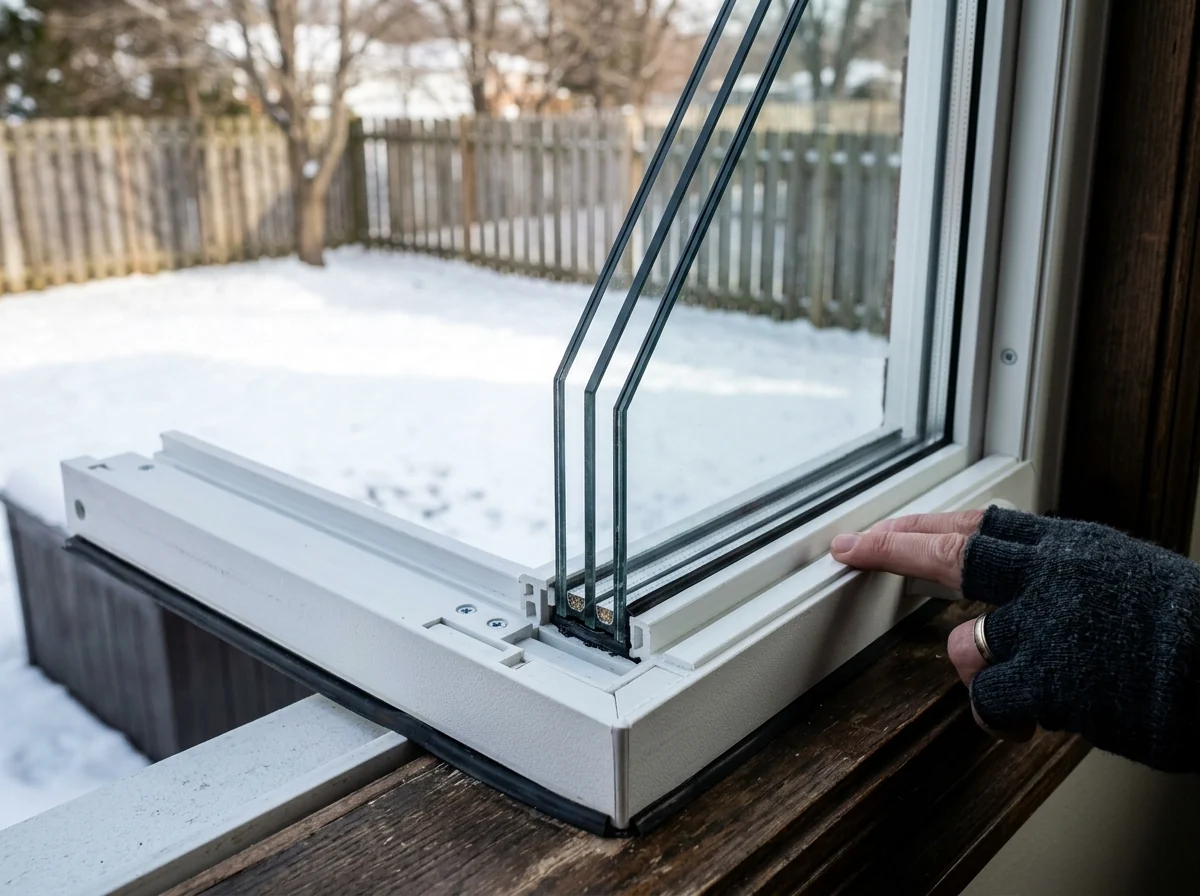
A standard triple-pane unit adds a full-thickness third pane and a second gas space to a normal double-pane design. In DOE's generic window set, triple low-E with argon in an improved nonmetal frame is what reaches the 0.19 to 0.20 quoted above, which puts it inside ENERGY STAR's prescriptive Northern-zone line of 0.22.
There's a trade. DOE notes that a third pane lowers visible transmittance and SHGC, so the room gets a little less daylight and less free solar heat. On a north wall that hardly matters. On a big south window, a high-solar-gain coating on the triple unit keeps more of the winter sun; the low-E glass page explains the coating choice.
Thin-Triple Glass
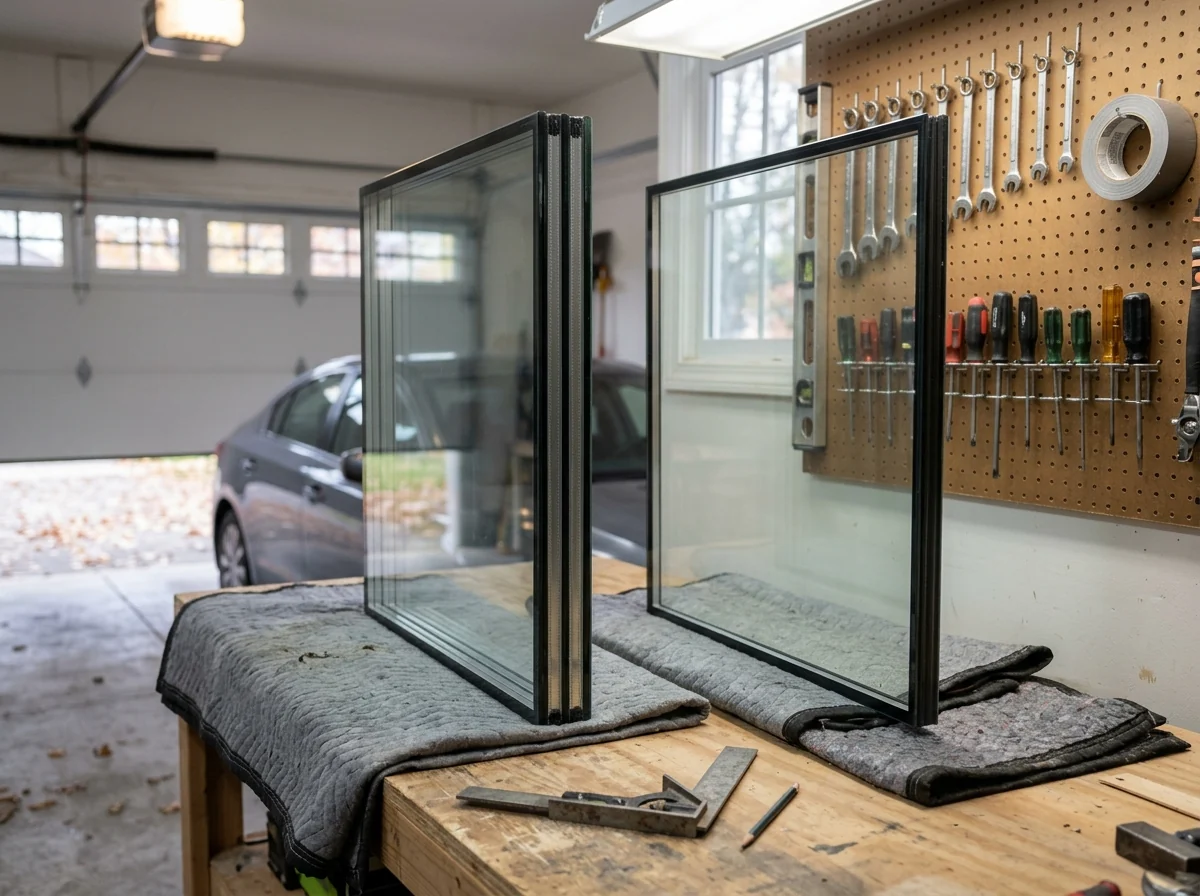
Thin-triple units are the newer idea. Berkeley Lab's design sandwiches a center pane only 0.7 mm thick between two normal panes, adds a second low-E coating and fills the narrow gaps with krypton. Because it's the same width and almost the same weight as double glazing, it fits a sash built for double-pane units. Berkeley Lab rates the glass at R8 to R10 at the center, against R4 for low-E double.
PNNL says thin-triple windows can be retrofitted into existing double-pane frames, and that several versions have been certified by NFRC. In its field demonstrations the extra cost over standard ENERGY STAR windows was $6 per square foot or less. Ask the installer whether the series you're looking at offers a thin-triple option. It isn't on every product line yet.
Krypton vs Argon Fills
Both gases are inert, clear and nontoxic, and both insulate better than air. Argon works best in a gap of about half an inch. Krypton performs better in narrow gaps of about a quarter inch, and costs more. That's why you'll see argon in thick standard triples and krypton in thin-triple units, where the gaps are tight. Some makers blend the two as a compromise between cost and performance.
Gas does leak slowly, but at a rate that barely moves the U-factor; the low-E page has DOE's numbers. Judge the seal, not the gas.
Sash Weight and Hardware for Triple Glass
PNNL puts standard triple-pane windows at 25% to 50% heavier than double-pane units of the same size. DOE notes that extra panes make units harder to mount and handle. The weight lands on the sash, the balances and the hinges.
That's where frame material earns its keep. DOE says fiberglass frames are stronger than vinyl, so they can be slimmer and are particularly well suited to heavy triple glazing; see fiberglass windows. On a large double-hung, ask what balance the maker uses for the triple version. On a big casement, ask about the hinge and operator rating. A sash that sags costs more than the glass will ever save. Thin-triple glass mostly avoids the problem, since it weighs about what double glazing does.
Why Troy homeowners call Troy Windows
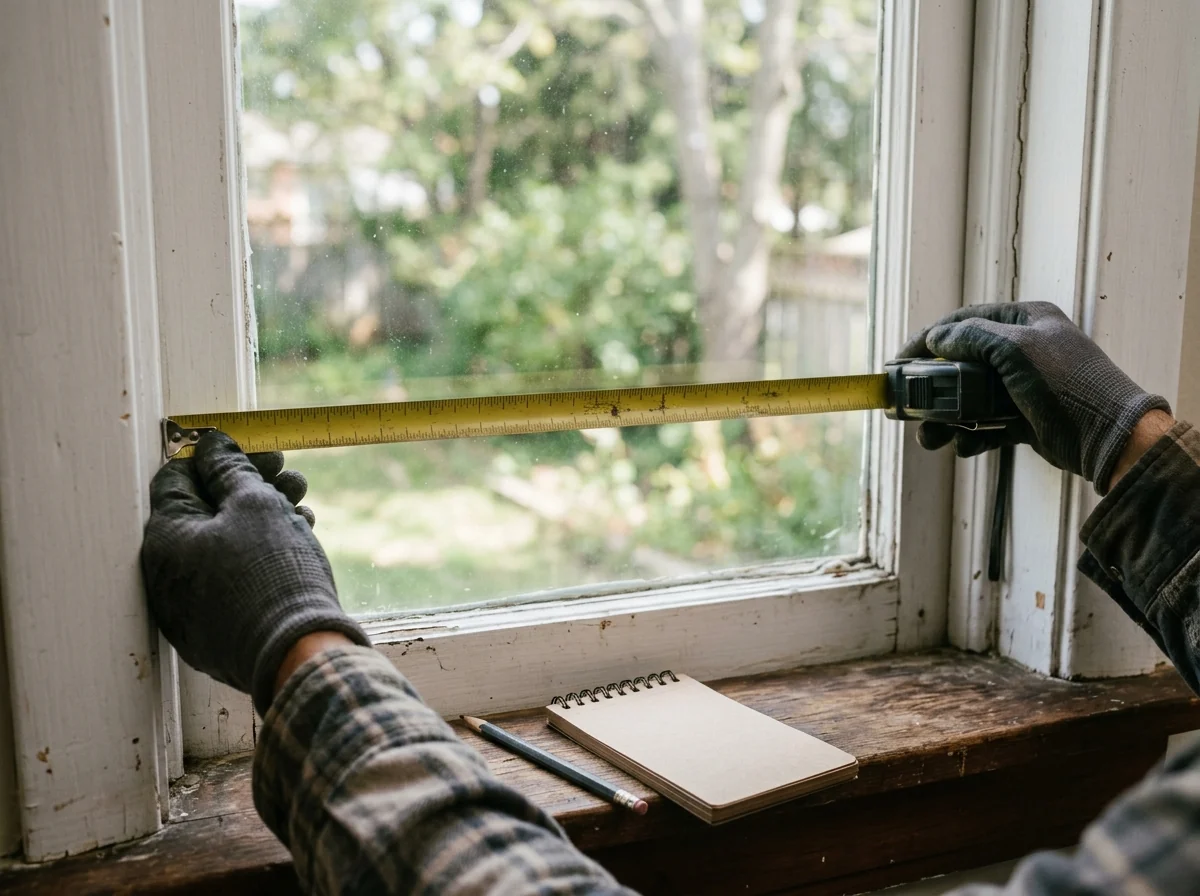
- Free in-home measure of every opening
- Written, itemized quote before any work
- Frames and sills checked before a price
- One local window installer, not a call list
- No charge to homeowners for the referral
Triple Pane Window Cost and Savings
DOE's 2012 guideline priced triple low-E replacement windows in nonmetal frames at about $34 per square foot of window, against $29 for double low-E. When the replacement is driven by energy savings, it put better double glazing at $25 to $30 per square foot and triple at $35 or more. These are national figures from 2012, so read them for the gap, not the total.
The savings side is modest. In DOE's cold-climate model (a 2,000-square-foot house with 300 square feet of windows, 2010 energy prices), replacing clear double-pane with double low-E saved about $144 to $150 a year. Triple low-E saved about $173 to $175. The extra $25 to $30 a year won't pay back a large premium on its own. Our take: buy triple pane for comfort, quiet and warmer glass on the coldest walls, and treat the energy savings as a bonus.
Michigan incentives
PNNL reports that Michigan used its field data to list triple-pane windows in the state's technical resource manual of approved measures eligible for utility incentives. Ask your utility what it currently pays.Noise
PNNL measured 8 to 10 decibels less sound inside with thin-triple windows. If noise is the main goal, see soundproof windows, which covers laminated and acoustic glass.
Where Triple Pane Makes Sense in a Troy Home
Troy's winters are long and cold, so triple pane belongs on the coldest walls. We'd put it in bedrooms on the north and west, over a kitchen sink where someone stands in front of the glass, and on any big picture window that frosts at the edges. For the rest of the house, a good low-E glass double-pane unit is often enough. The energy efficient windows page explains how to compare the labels side by side.