
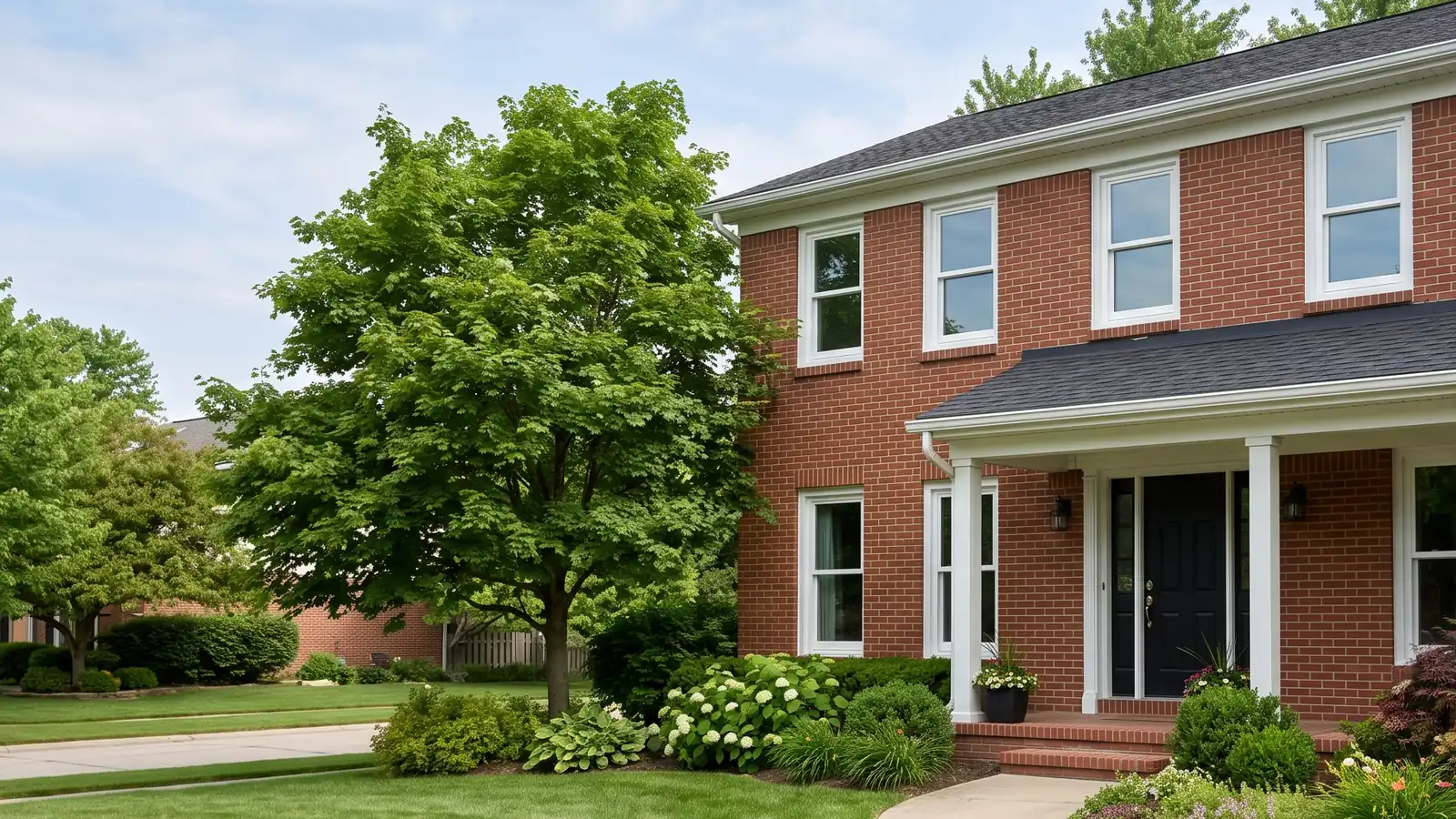
Glass Block Window Types and Uses
Glass block is light without a view: the room stays bright and nobody sees in. Blocks are typically 6- to 8-inch squares, 2 to 4 inches thick, and HomeGuide calls them durable, if not indestructible.
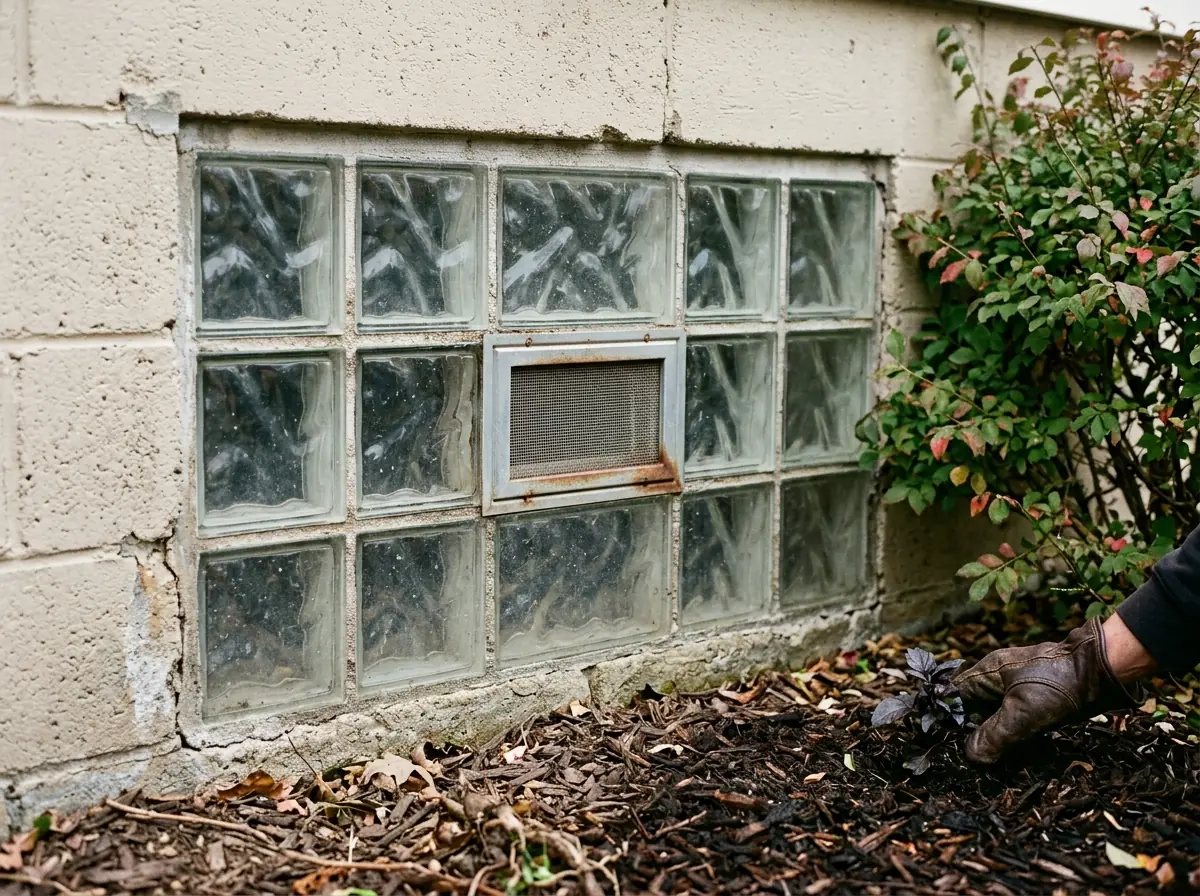
Basement Glass Block Panels with Vents
The most common use is the basement: a panel set in the old window opening near the top of the foundation wall. It replaces a rusty or drafty frame with a panel that has no sash to pry, and HomeGuide notes glass block is airtight and insulates better than single-pane glass. A solid panel doesn't ventilate, so many prefab basement panels come with a small vent built in. HomeGuide puts the added cost of a vent at about $40 to $60.
Our tip: put a vent in at least one basement panel, especially near a laundry area or a bathroom without a fan. A sealed basement holds onto damp air.
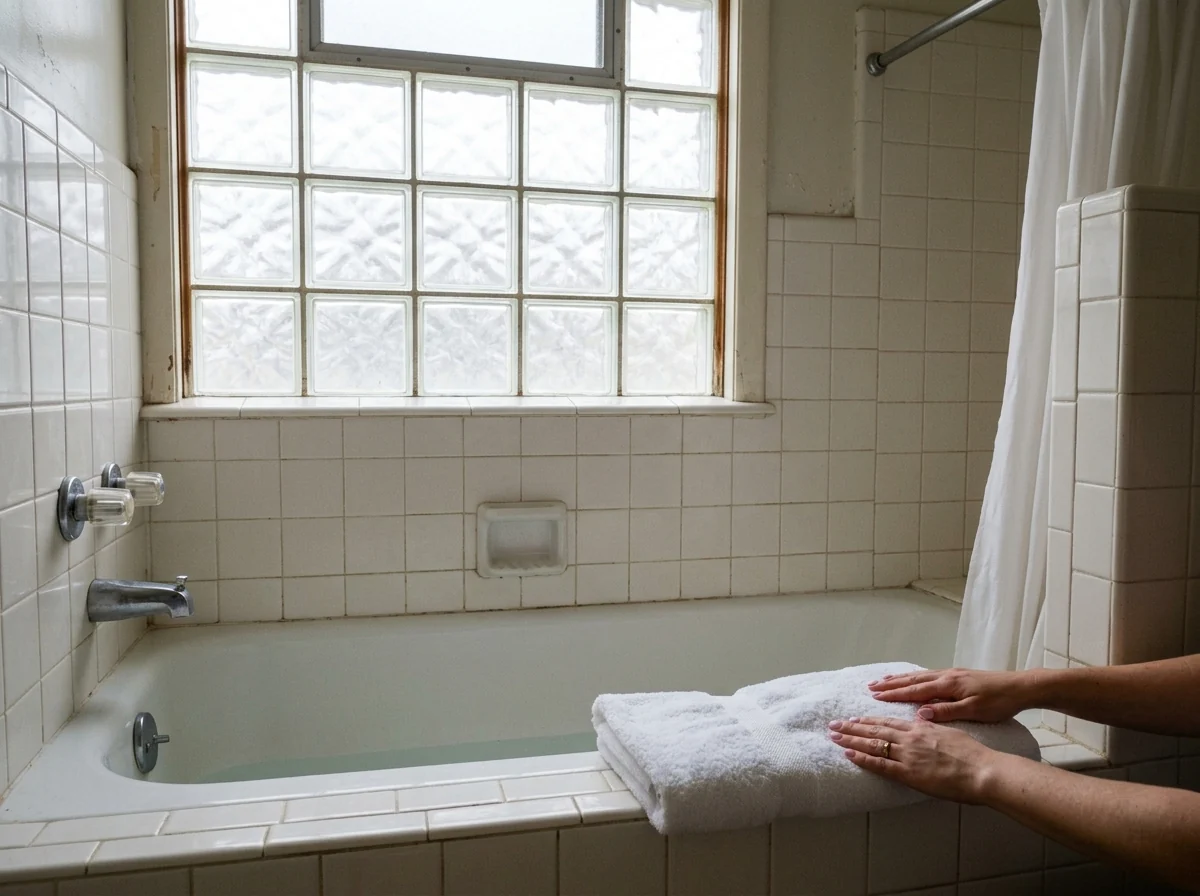
Bathroom Privacy Glass Block
In a bathroom, block gives full privacy and stands up to shower moisture. Frosted and translucent styles hide everything but shapes, even at night with the lights on. If you choose a framed window there instead, it may need safety glass; see tempered glass windows. Bathroom block windows run $400 to $3,000 installed in HomeGuide's national data.
Acrylic Block Windows
Acrylic blocks look like glass but weigh less and are more durable, by HomeGuide's account. They cost $15 to $25 a block, against $10 to $60 for glass. They're harder to find and come in fewer styles.
Block Patterns: Wave, Ice, Diamond and Clear
The pattern decides how much you see and how much light gets through:
- Wavy. Privacy with plenty of light; HomeGuide calls it popular for basements. About $10 to $25 a block.
- Ice. Frosted and wavy together, the usual bathroom pick. About $15 to $50 a block.
- Diamond. An internal pattern for privacy or an accent. About $10 to $60 a block.
- Clear. The most light and the least privacy. About $10 to $20 a block.
Prefab or Custom, Framed or Unframed
A prefabricated panel is built to a standard size and set into the opening in one piece, often with the vent already in it. A custom panel is laid block by block, which costs more but fits odd sizes and patterns. Most glass block windows are unframed, set straight into the masonry, though some prefab sets come in a vinyl frame and a few framed units can open. For an old basement opening, prefab is usually the sensible choice.
Replacing Glass Block with Operable Windows
Sometimes the job runs the other way. A basement being finished into a bedroom needs an escape window, and glass block can't be one. The panel comes out, and the opening is either fitted with a hopper or slider or enlarged for egress. See basement window replacement for the same-size options and egress window installation for the code-size opening.
Why Troy homeowners call Troy Windows
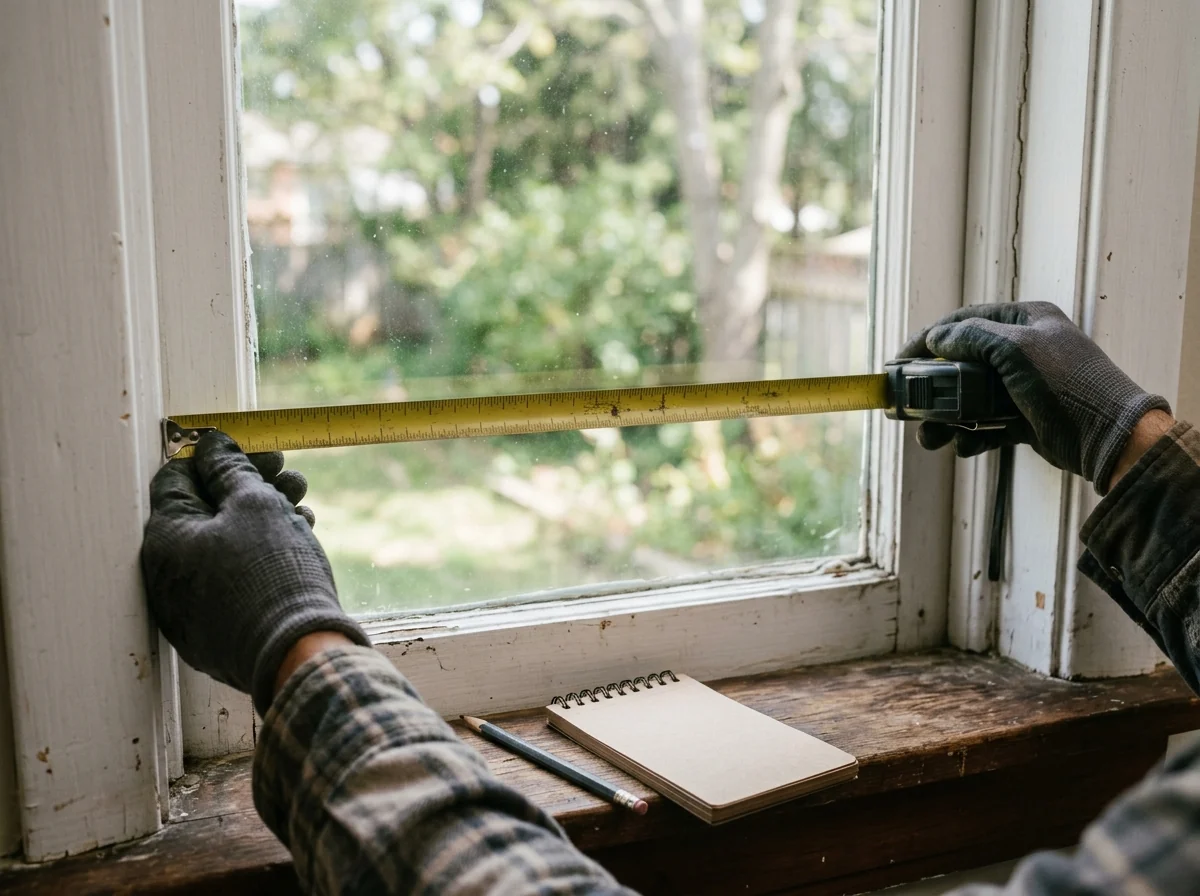
- Free in-home measure of every opening
- Written, itemized quote before any work
- Frames and sills checked before a price
- One local window installer, not a call list
- No charge to homeowners for the referral
Glass Block Window Cost in Troy
Prices below are national averages.
| Item | National price | Source |
|---|---|---|
| Glass block window, installed | $300 to $1,500 | HomeGuide, 2025 |
| Glass block window | $400 to $1,300 | Fixr, 2026 |
| Basement window, installed | $300 to $1,200 | HomeGuide, 2025 |
| Bathroom window, installed | $400 to $3,000 | HomeGuide, 2025 |
| 36 by 36 inch window, prefab vs custom | $100 to $500 vs $550 to $2,800 | HomeGuide, 2025 |
HomeGuide says materials make up 35% to 50% of a glass block job and labor the rest. Prefabricated panels cost much less than custom ones built block by block. Silicone or vinyl mortar costs more than traditional mortar but resists water better.
Glass Block in a Troy Home: Before You Install
Egress first
Decide which basement opening will be the escape window before the others become block.One broken block
HomeGuide says a single cracked block can be cut out and replaced, so a damaged panel doesn't always mean a new window.