
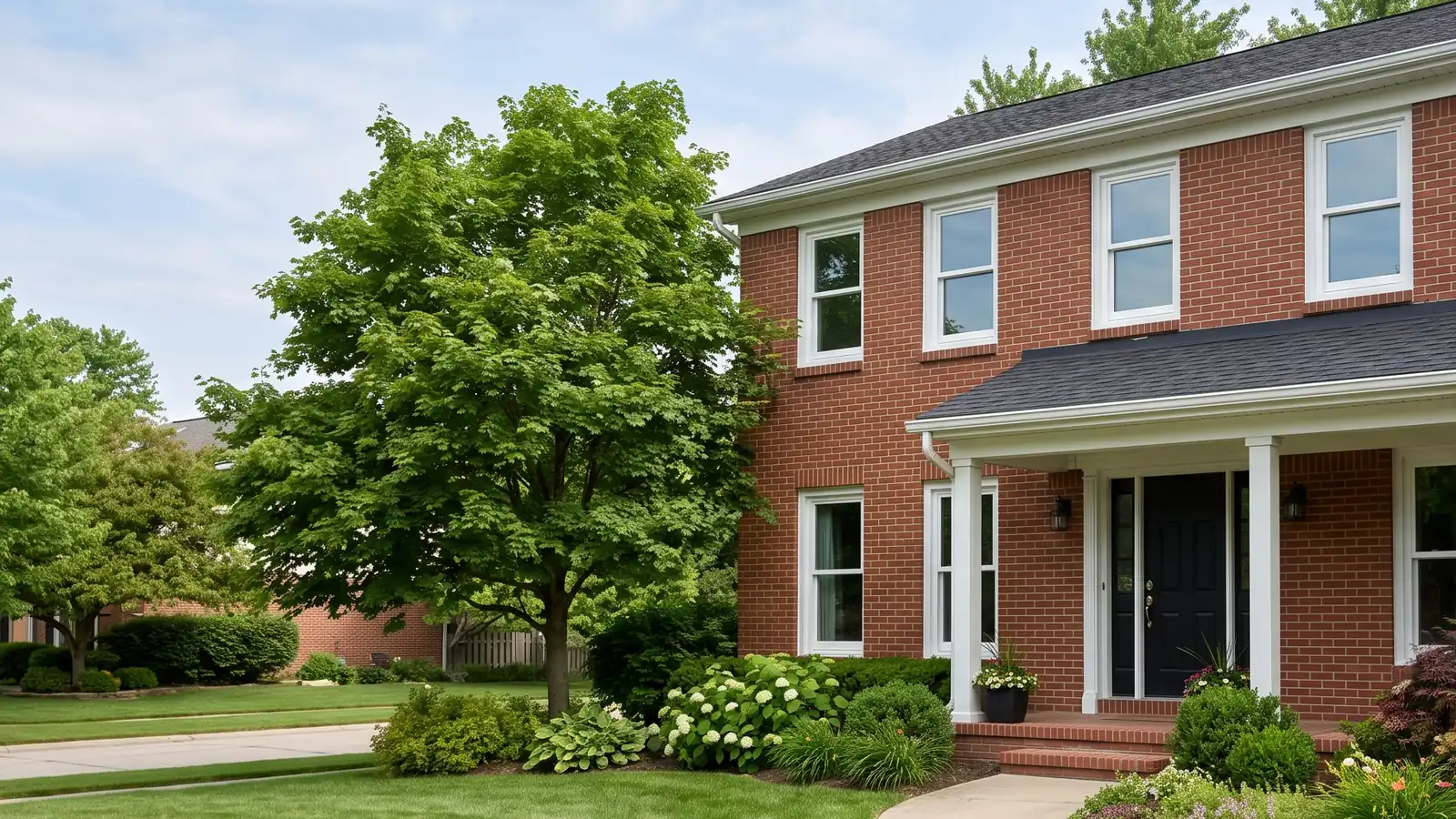
Wood Window Options in Troy
Solid Wood Windows
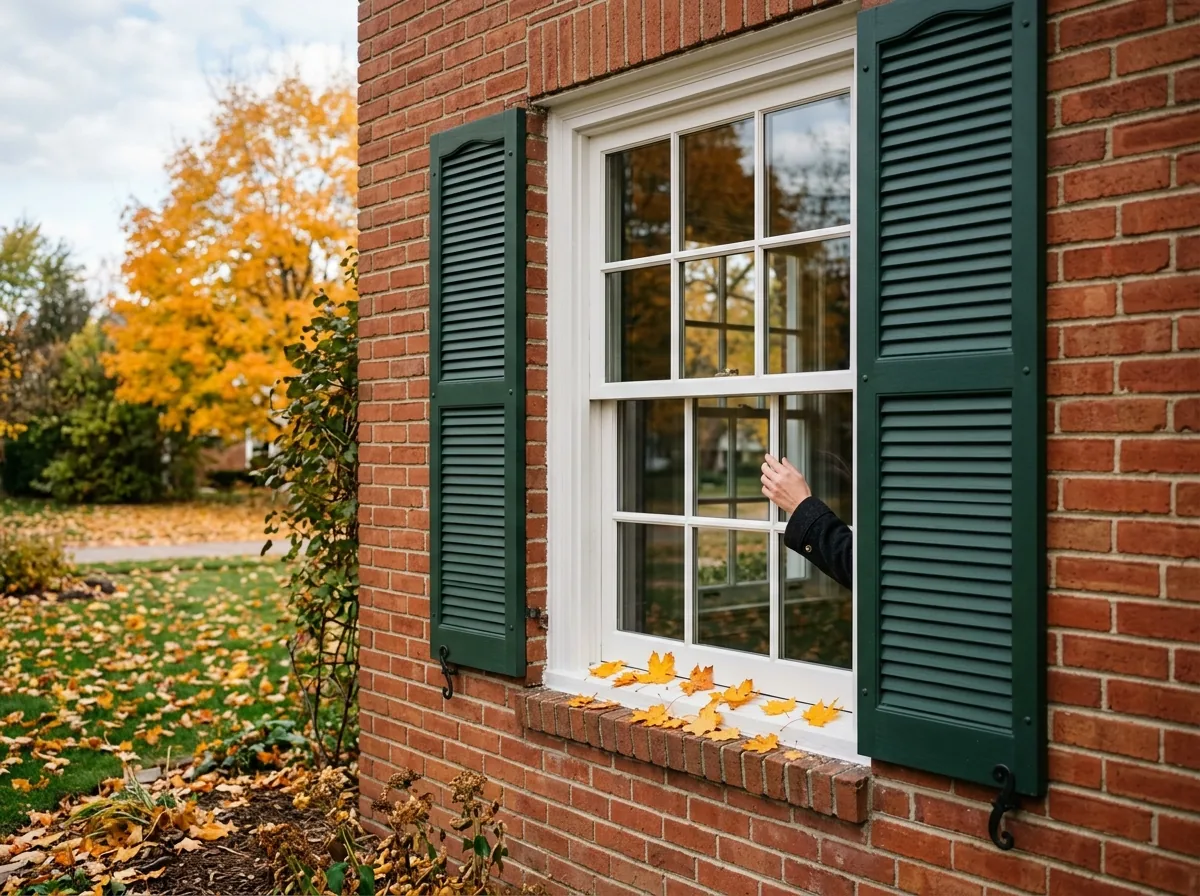
Solid wood is the traditional window frame. DOE gives wood frames a U-factor of 0.30 to 0.50 on the frame alone, which means they insulate well, and it rates vinyl as comparable. The weakness is water. DOE says wood isn't the most durable frame material because it can rot, but a well-built, well-protected and well-maintained wood window can last a very long time.
That "well-maintained" is doing a lot of work. A solid wood exterior needs paint and caulk on a schedule, and the sill takes the most weather. If you like the look and don't mind a paint brush every few years, solid wood is still a fine window. If you'd rather never paint the outside again, look at clad wood.
Aluminum-Clad Wood Windows
The most common answer to wood's upkeep is cladding. The exterior face of the wood frame is covered in aluminum or vinyl, and DOE says this creates a permanent weather-resistant surface with lower maintenance, while the wood finish stays inside. DOE says vinyl and enameled metal claddings protect the wood frame much longer than paint. The trade-off it notes is that cladding colors are generally limited.
On a Troy colonial with painted trim, aluminum-clad wood in a matching color gives you the inside look of wood and an outside that doesn't need painting. Ask how the cladding is drained at the sill and how it meets the brickmould or capping. Water trapped behind a clad sill does the same damage it does behind paint. If the old exterior trim stays, window capping covers it in matching aluminum.
Wood Interiors: Stained or Painted
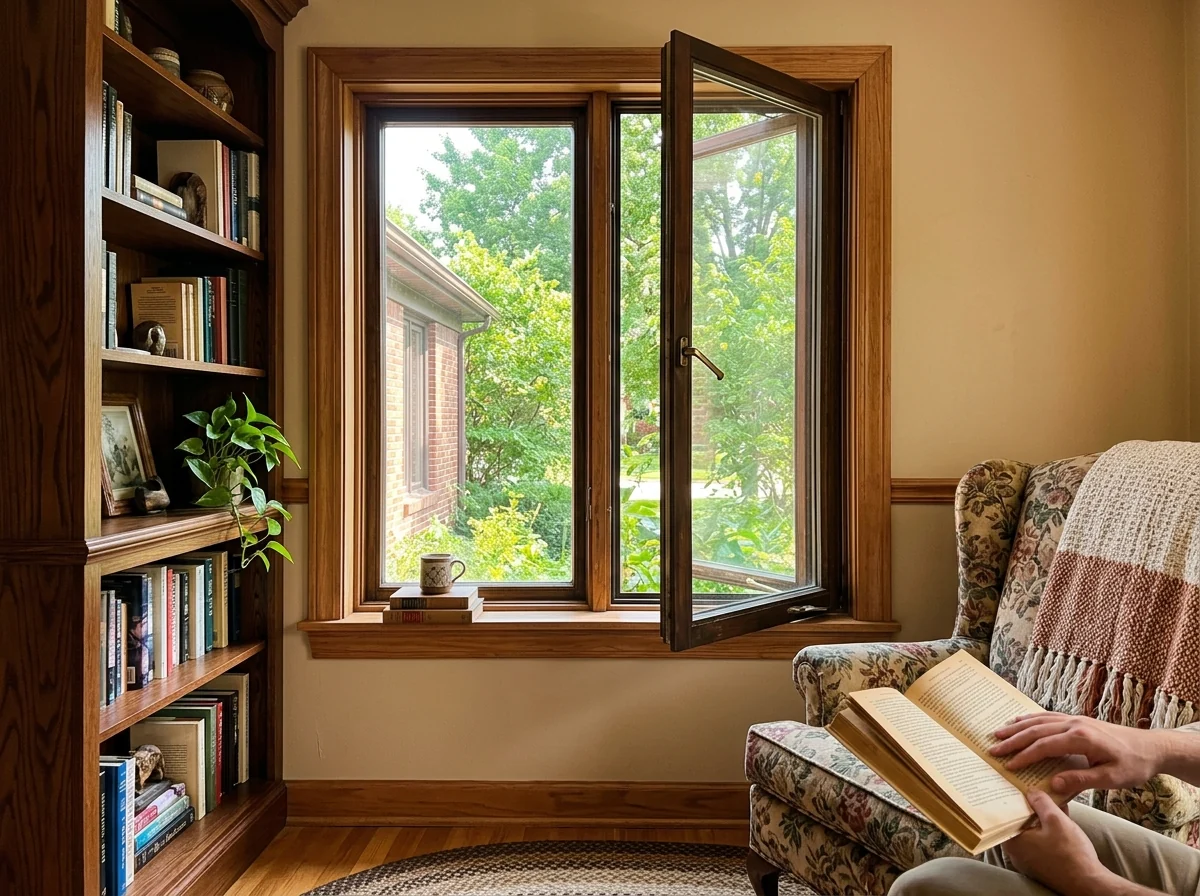
The inside is the reason most people pick wood. DOE notes that wood is favored in many homes for its appearance and its traditional place in house design. You can stain it to match floors or cabinetry, or paint it to match the trim. Ask whether the interior comes primed, prefinished or bare, because a bare interior means a painter's visit after the install, and that labor belongs in the budget.
If you love the wood look but want vinyl's price, some vinyl makers offer wood-veneer laminates on the interior, by DOE's account. It's a reasonable compromise for a secondary bedroom; we'd still use real wood in the living room.
Wood Window Replacement in Older Homes
DOE's wood-window guideline lists eight measures for an old wood window, from rehabilitation and storm windows through sash replacement to an insert window and, last, complete replacement down to the rough framing. An insert is fast and leaves the trim alone, but it adds a second frame and reduces the glass area. Complete replacement removes the frame and often the casing, and lets the opening be resized.
Older double-hungs often have sash weights hanging in pockets beside the frame. DOE calls the weight pockets typically the largest voids around the window, losing energy through conduction and air leakage. An insert or full replacement abandons the weights, so the pockets can be air-sealed and insulated. If the sashes are worth saving, window restoration is the other route. If the frame is rotted, go full-frame.
Why Troy homeowners call Troy Windows
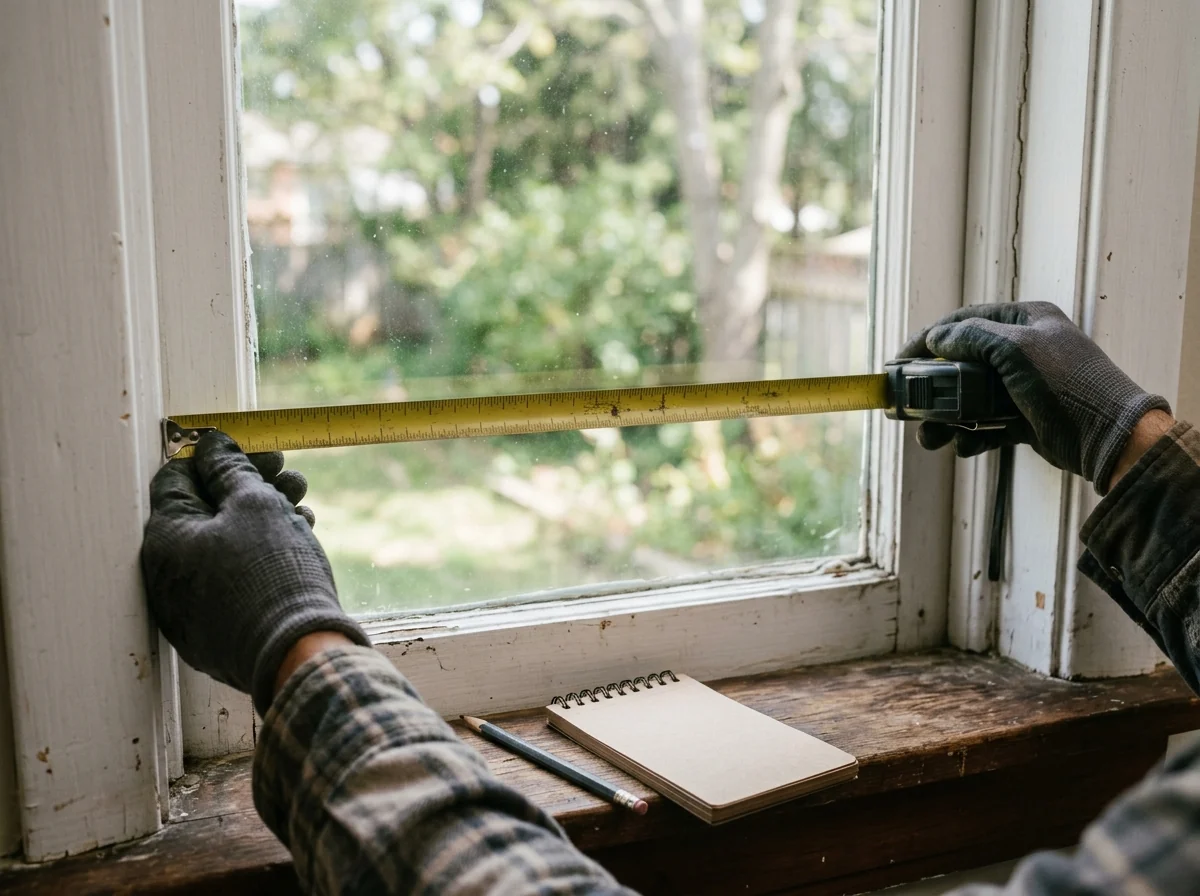
- Free in-home measure of every opening
- Written, itemized quote before any work
- Frames and sills checked before a price
- One local window installer, not a call list
- No charge to homeowners for the referral
Wood Window Cost in Troy
HomeGuide's 2026 national range for an installed wood window is $800 to $3,800, the top of the common frame materials; the vinyl and fiberglass pages give theirs for comparison. Size, style, cladding and the choice between insert and full-frame move a window within that range.
On a whole-house scale, Remodeling's 2025 Cost vs Value data has a Detroit wood window project at $26,326 adding $19,182 of resale value, so 72.9% comes back. That beats the Detroit vinyl project's 69.7%. Nationally, wood recoups 70.1%.
Wood Windows and Lead Paint in Troy
Wood windows and old paint go together. In a house built before 1978, replacing wood windows is always covered by EPA's lead rule, whatever the paint looks like. Ask to see the firm's certificate before the old sashes come out; the lead-safe window replacement page explains the containment and cleanup.