
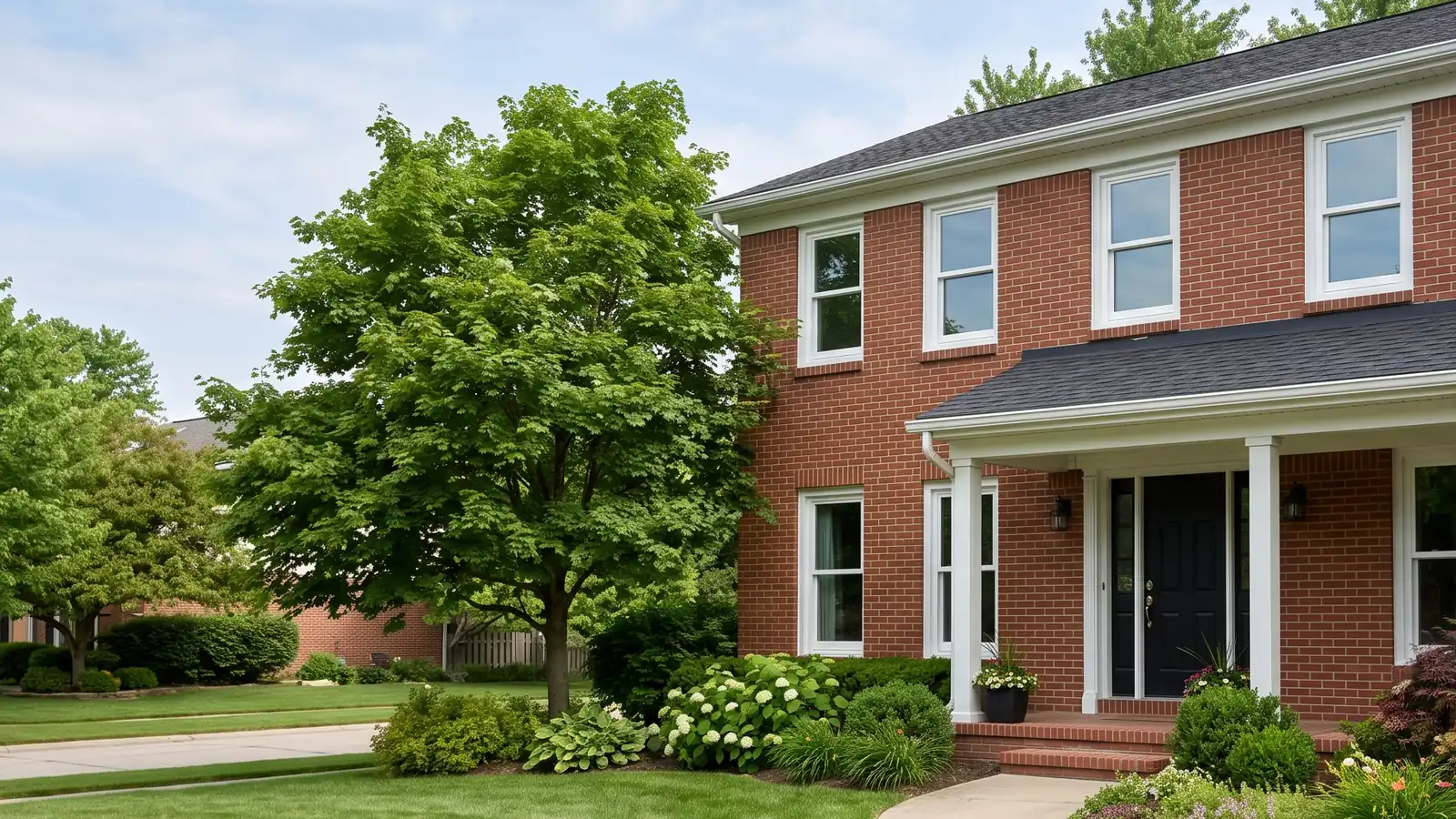
Lead-Safe Window Replacement Steps
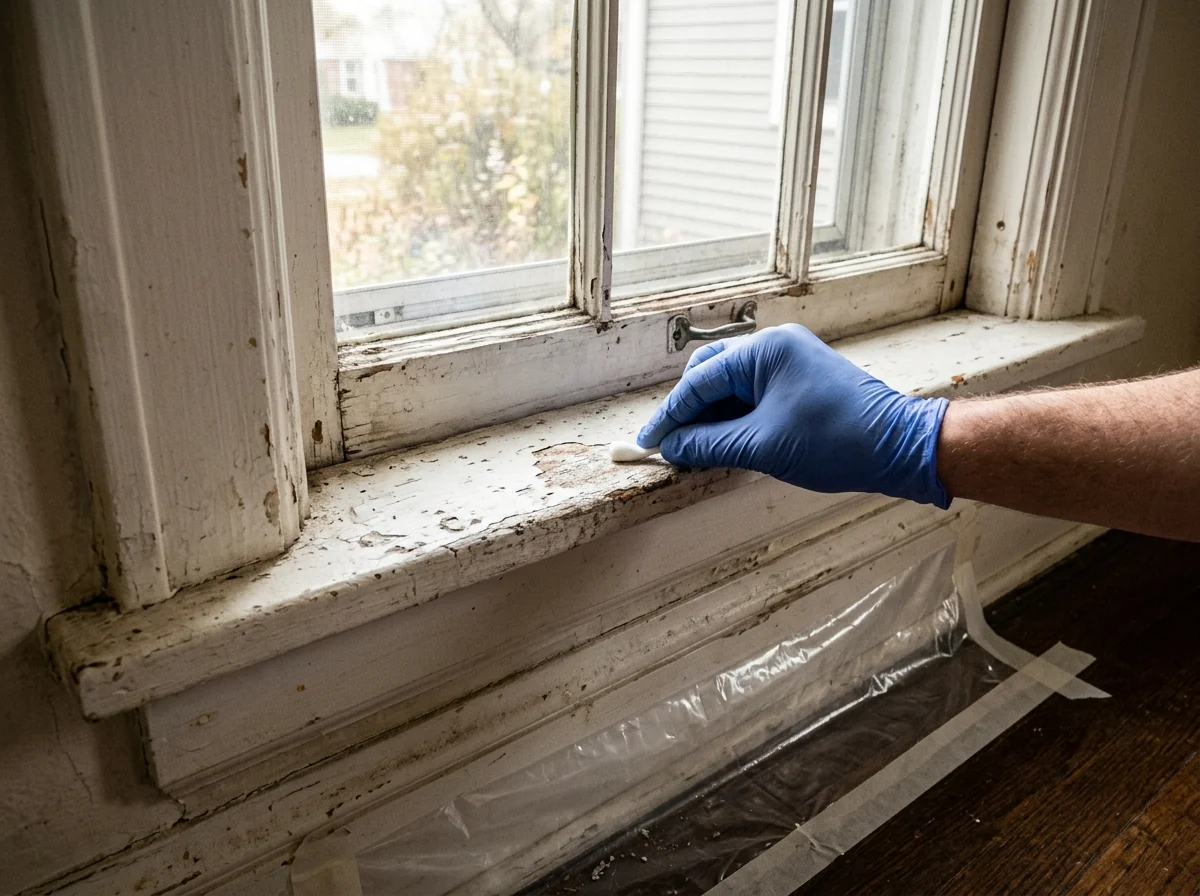
Lead Testing Before Work
The rule doesn't require a paint test. If nobody tests, the firm treats the paint as lead-based and follows every step below. A certified renovator can test the specific parts the job will disturb (sashes, stops, sills, exterior brickmould) with an EPA-recognized test kit, or send paint chips to an EPA-recognized lab. If those components come back lead-free, the work practices don't apply to them.
Before any of that, the firm must hand you EPA's Renovate Right pamphlet and get written confirmation that you received it, or mail it at least 7 days before work starts. If you rent the house out, the tenants get one too.
Interior Containment
Inside, the work area gets sealed off before the first sash comes out. Furniture and belongings leave the room or go under plastic with the seams taped. Heating and air ducts in the area are closed and covered with taped plastic. Doors are covered. The floor gets taped plastic at least six feet out from the window in every direction, or farther if that's what it takes to catch the dust.
Expect the room to be out of use while the work goes on. The firm posts signs marking the work area. Keep pets and kids out of it until cleaning verification is done.
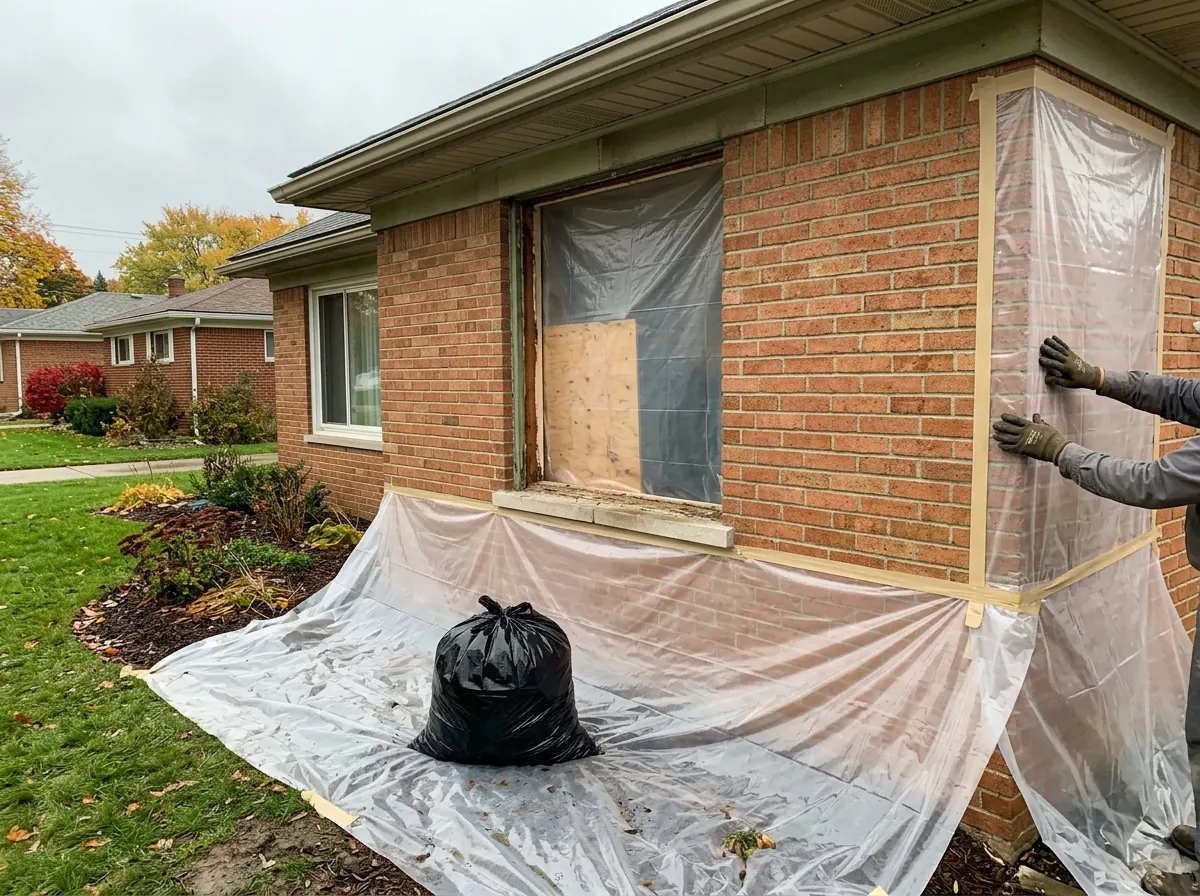
Exterior Containment
Outside, doors and windows within 20 feet of the work are closed, and plastic or another disposable cover goes on the ground at least 10 feet out from the wall. If a lot line, a driveway or the neighbor's house is closer than that, or it's windy, the firm has to add vertical containment, such as plastic sheeting on a frame.
Some ways of removing paint are banned on the job, inside or out: torching painted surfaces, power sanding or planing without a shroud and HEPA vacuum attachment, and heat guns above 1100°F. If you see a torch or a dusty grinder on a pre-1978 house, stop the work and ask.
HEPA Cleanup and Cleaning Verification
After the new windows are in, the cleanup is a set procedure. Paint chips and debris go into heavy-duty bags, the plastic is folded up and thrown out as waste, walls are HEPA-vacuumed or wiped down, and every surface in the work area is HEPA-vacuumed and wiped with a damp cloth. Floors are mopped with a method that keeps rinse water separate from wash water.
Then comes the check. A certified renovator wipes the floors, countertops and window sills in the work area with a wet disposable cloth and compares each cloth with EPA's cleaning verification card. A cloth darker than the card means that area is cleaned and wiped again. Window sills are where the dust gathers, so watch this step.
Waste Disposal and Records
Waste stays contained from the work area to the truck: bagged at the end of each day, stored where nobody can get into it, and covered in transport. Old sashes and trim with lead paint don't go to the curb in a pile.
The firm must keep records for three years, including the pamphlet receipt and the work-practice documentation. Ask for a copy for your own file. If you sell the house, a record of lead-safe window work is worth having.
Why Troy homeowners call Troy Windows
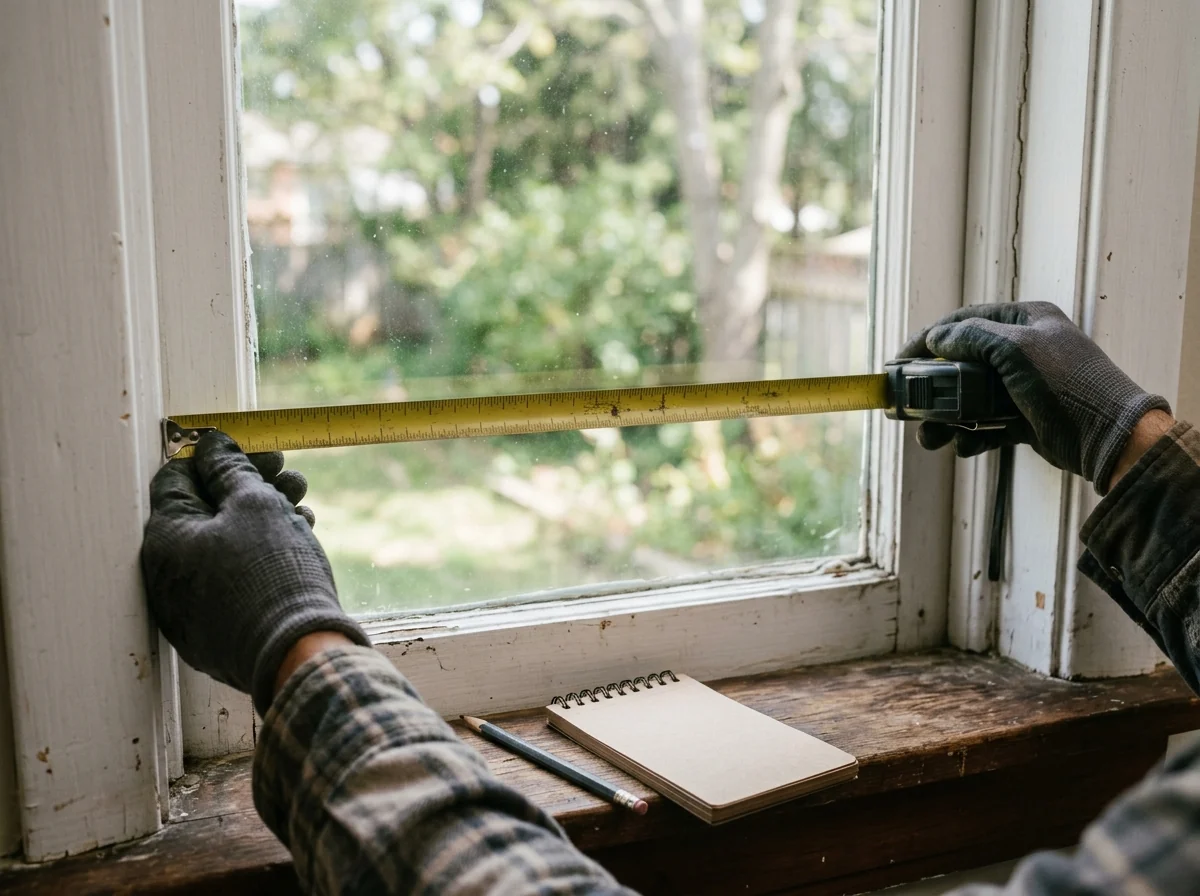
- Free in-home measure of every opening
- Written, itemized quote before any work
- Frames and sills checked before a price
- One local window installer, not a call list
- No charge to homeowners for the referral
Who Needs Lead-Safe Window Replacement in Troy
Half of Troy's homes were built in 1978 or earlier (that's the median year), and about 57% predate 1980. Census data comes in decade bins, so the exact pre-1978 share can't be worked out, but it's a large part of the city. Almost a third of today's homes went up in the 1970s alone.
Owner-occupied homes
The rule covers the contractor, not you. If you're paying someone to replace windows in a pre-1978 house, they must be a certified firm using certified renovators, with a certified renovator directing the work and reachable on site or by phone the whole time.Rentals
About 28% of Troy's occupied homes are rented. A landlord's own work on a pre-1978 rental is covered too, and tenants get the pamphlet.Apartments and child care
The rule covers apartments and child-occupied facilities such as schools and child care centers built before 1978. See commercial window replacement.Condos
A pre-1978 condo unit is covered too. See condo window replacement.Small repairs
EPA exempts minor repair and maintenance below a small paint area: 6 square feet per room inside, 20 square feet outside. That can cover a crank swap or one reglazed sash. Window replacement never qualifies.
What to Ask a Lead-Safe Window Installer
Certificates
The firm's EPA certification and the certified renovator's course certificates, which must be kept at the work site. EPA runs a search for certified firms on its website.Test or assume
Will they test the window components, or treat the paint as lead-based?Containment plan
Which rooms, how far the plastic goes, and how the outside is covered.Cleaning verification
Who does it, and can you watch.Records
A copy of the paperwork when the job is done.Cost
Containment and cleanup add labor. We haven't found reliable national figures for that add-on, so ask for lead-safe work as its own line on the quote and compare it between bids.