
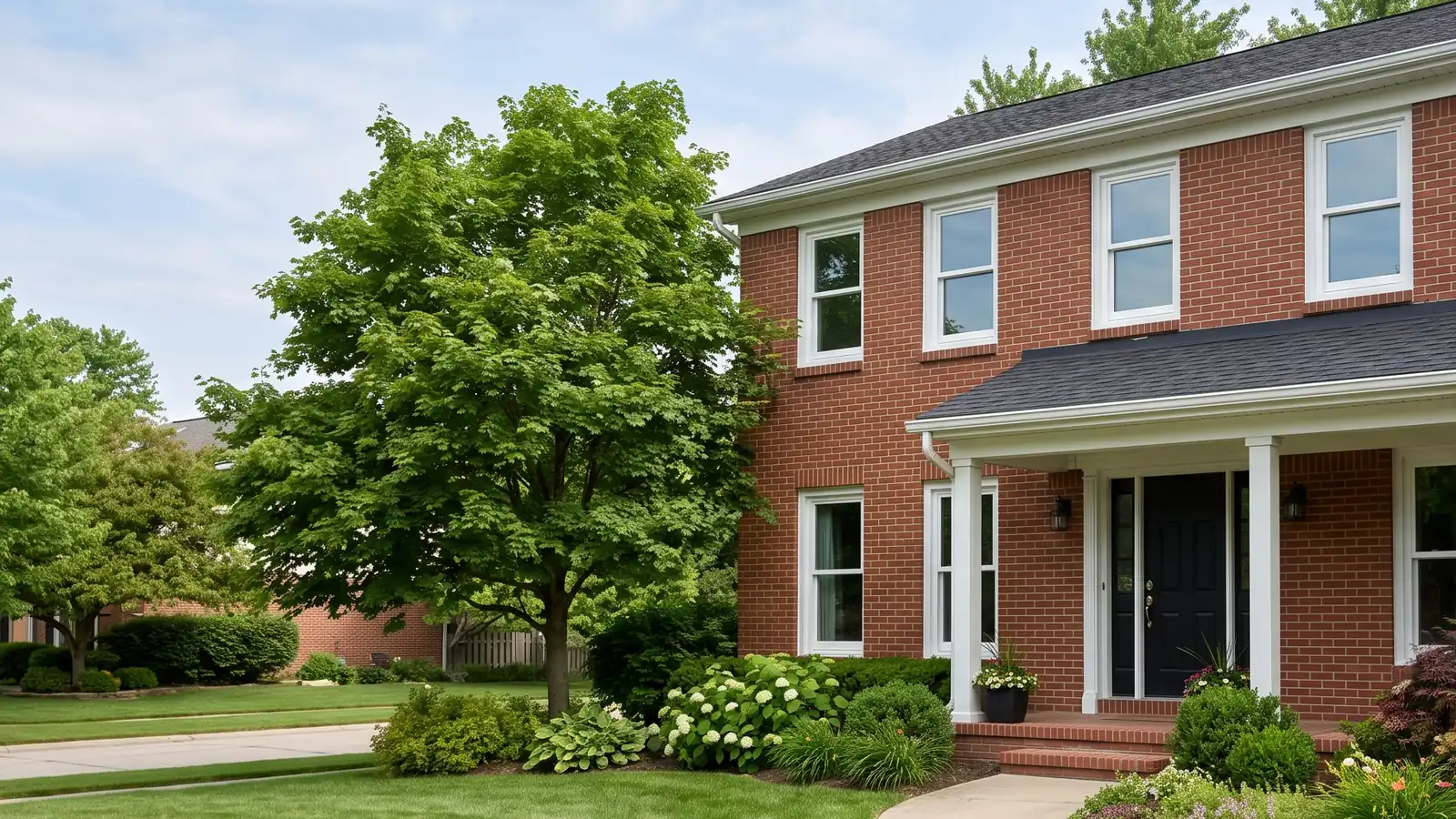
Window Leak Repair Services
Drafts, worn weatherstrip and stiff hardware are window repair jobs. Rotted wood left behind by a leak is window sill replacement. This page is about stopping the water.
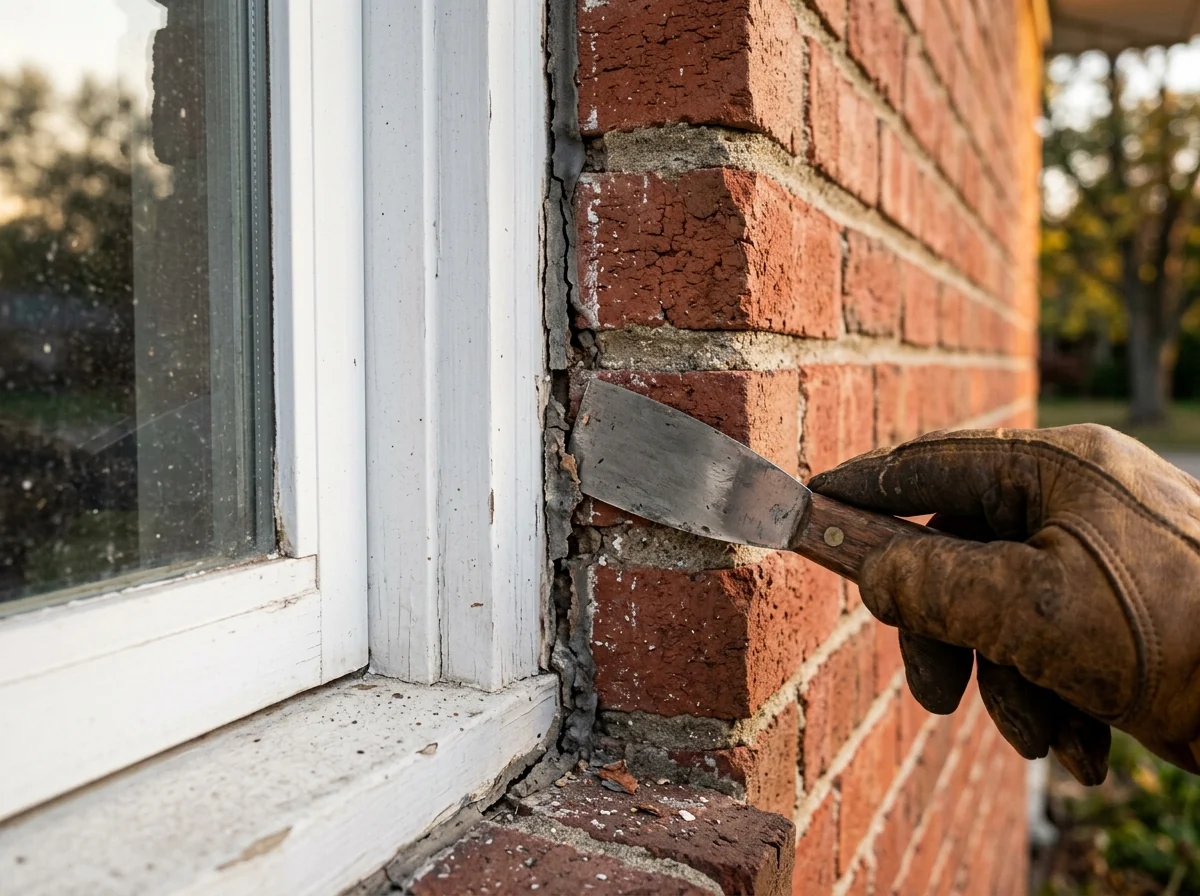
Failed Exterior Caulk and Sealant
The joint between the window frame and the wall is the first thing water finds. Old caulk shrinks, cracks and lets go of one side. NFRC's consumer guide says caulk is meant for gaps up to a quarter inch, that old caulk and paint residue should be cleaned off first, and that it needs temperatures above 45°F to set and stick. That last point matters here: a Troy January sits far below 45°F, so exterior caulking is a spring-to-fall job. In winter the realistic fix is a temporary patch. HomeGuide lists frame caulking at $10 to $15 per linear foot nationally.
A gap wider than a quarter inch needs more than a thicker bead, so ask how the installer will fill it. And caulk is the last line of defense, not the main one. If the flashing behind it has failed, new caulk only buys time.
Flashing and Sill-Pan Failures
The residential code requires flashing at exterior window openings, applied shingle-fashion so water can't reach the wall cavity or the framing. Where the window maker gives no flashing details, the code calls for a pan flashing at the sill, sloped or sealed to drain water back outside. It also requires flashing under and at the ends of sills and above projecting wood trim. When a leak shows up at the bottom corners of a window during wind-driven rain, we'd suspect the sill pan before anything else.
The fix means pulling exterior trim or the window itself, then re-flashing the opening with flashing tape and a sill pan. HomeGuide puts flashing repair at $270 to $570 nationally, and a broken or leaking nailing fin at $50 to $150.
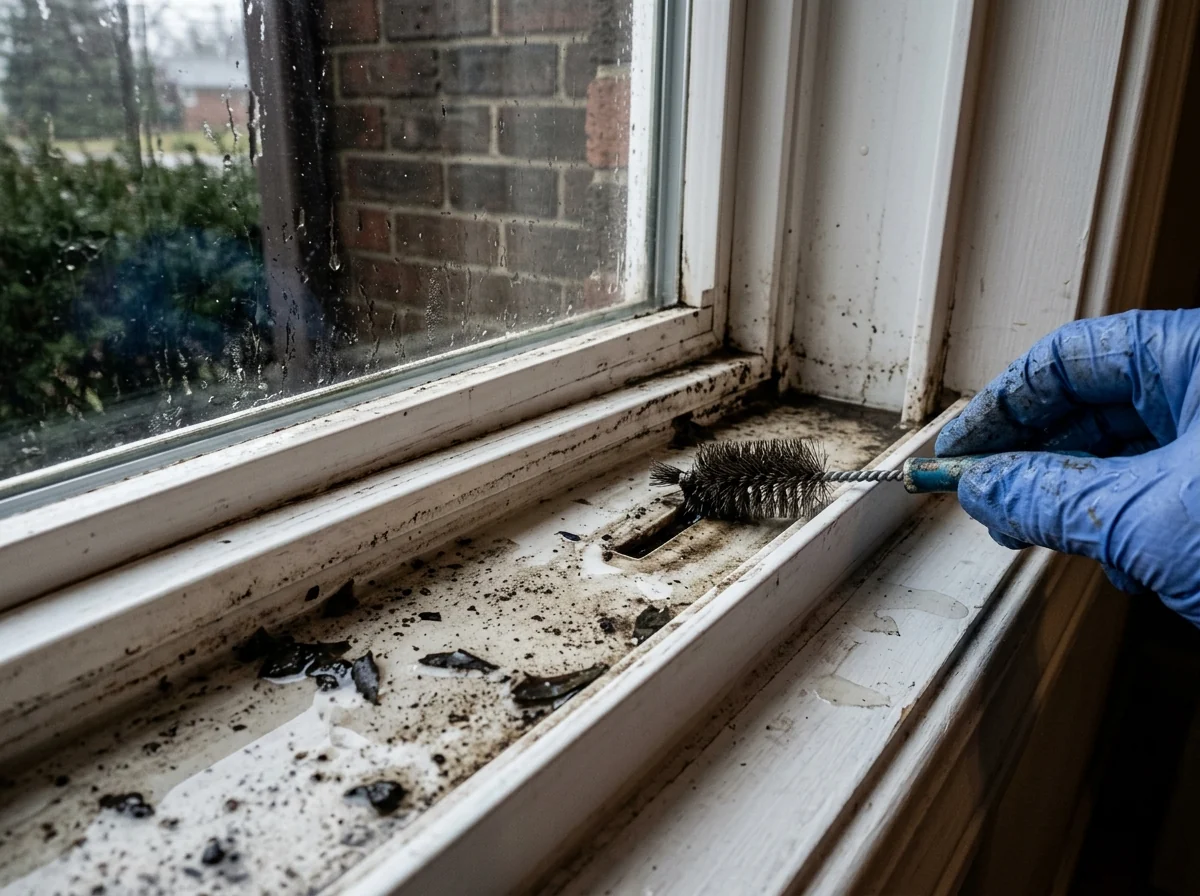
Clogged Weep Holes
Vinyl windows are built to let some water into the sill track and drain it out through weep holes or slots, often behind small flaps on the outside face. When the weeps clog with dirt, paint or someone's caulk, the track fills and spills over to the inside. One window maker's care guide calls for a small bottle brush to keep weeps and their covers clear, and builders warn that no caulk or siding should ever cover them. Clearing them costs nothing, so check here before paying for anything else.
Basement Window Leaks
Below grade, look at the window well first. A well with a clogged or missing drain fills with snowmelt and rain. Our advice: fix the well's drainage before you blame the window. See window well installation for drains and covers, and basement window replacement when the frame itself has rusted through.
Condensation vs Leak Diagnosis
Not every wet sill is a leak. On a cold day, the inside surface of single-pane glass sits only 10 to 15°F above the outdoor temperature, by DOE's figures, so moist room air condenses on it and runs down. NDSU's energy educator suggests about 40% relative humidity in winter. At that level, condensation on double-pane glass shouldn't start until it drops below zero outside, and on triple-pane not until about minus 40°F. If your double-panes drip on a 20°F morning, look at humidity first.
The Building America Solution Center makes a useful distinction. Leakage between the sash and frame, or between the glass and the sash, usually shows as water staining on the interior window frame itself. But condensation can stain trim too, so watch the spot through rain and dry cold spells before deciding. We'd want the installer to show you the water path before quoting the fix.

Why Troy homeowners call Troy Windows
- Free in-home measure of every opening
- Written, itemized quote before any work
- Frames and sills checked before a price
- One local window installer, not a call list
- No charge to homeowners for the referral
Window Leak Repair Cost in Troy
HomeGuide's national figures:
| Repair | National range |
|---|---|
| Flashing repair | $270 to $570 |
| Caulking the frame | $10 to $15 per linear foot |
| Broken or leaking nailing fin | $50 to $150 |
| Window frame repair | $150 to $600 |
| Window sill repair | $150 to $350 |
What raises the price is access to the leak. A head flashing on a first-floor window with vinyl siding is a short job. A leak behind brick, or on a second-floor bay, means more trim off and more time.
Leak, Rot or New Window?
Moisture is the main cause of wood window decay, in the National Park Service's assessment, so a leak left for a few seasons usually turns into a carpentry job. Probe the sill and the bottom of the brickmould with an awl or a screwdriver: soft wood means repair before or alongside the leak fix. A new window that leaks from day one needs re-flashing, not a different brand.
In a pre-1978 house, pulling painted trim to get at the flashing can cross EPA's exterior small-job threshold, so ask how the installer handles lead; see lead-safe window replacement.