
Insert Replacement Window Options in Troy
Pocket Inserts in Wood Frames
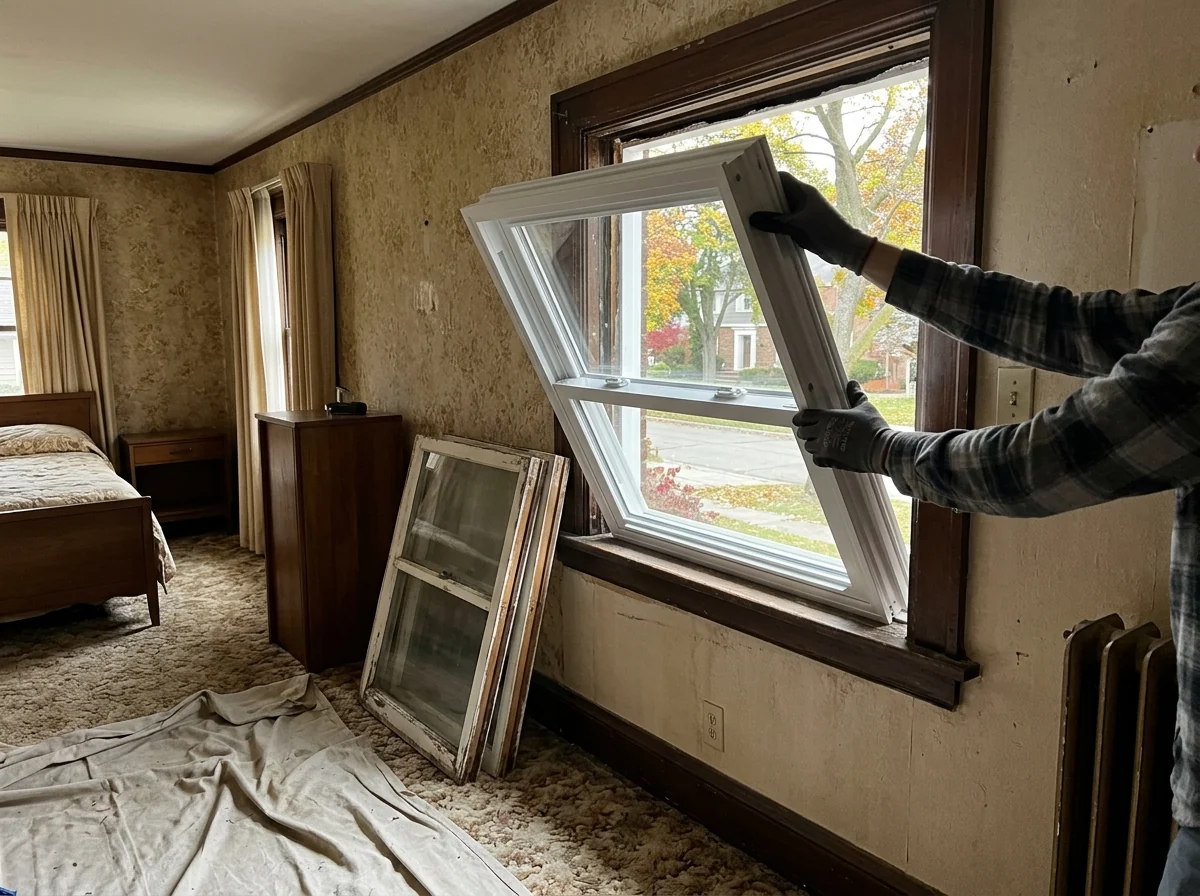
This is the standard insert job. DOE's wood-window guideline treats the old wood frame as the new rough opening. The installer removes the sashes, parting beads and interior stops, pulls the weight-pocket pulleys and fills the holes, caulks the corners, and coats the frame with a liquid-applied waterproof membrane. That membrane matters, because once the new window is in, nobody can reach that surface again.
The window then goes in from inside: set on the sill, tilted up and pushed against the exterior casing. A backer rod and sealant joint goes around the inside, new or original stops go back on, and the head and jambs are caulked outside. The sill is left open to drain. If an installer caulks the bottom edge shut, ask why.
The upside, by DOE's account, is speed and very little disturbance to the interior and exterior trim. Abandoning the sash weights also lets the installer air-seal and insulate the weight pockets, often the biggest gaps around an old double-hung.
Inserts in Brick Openings
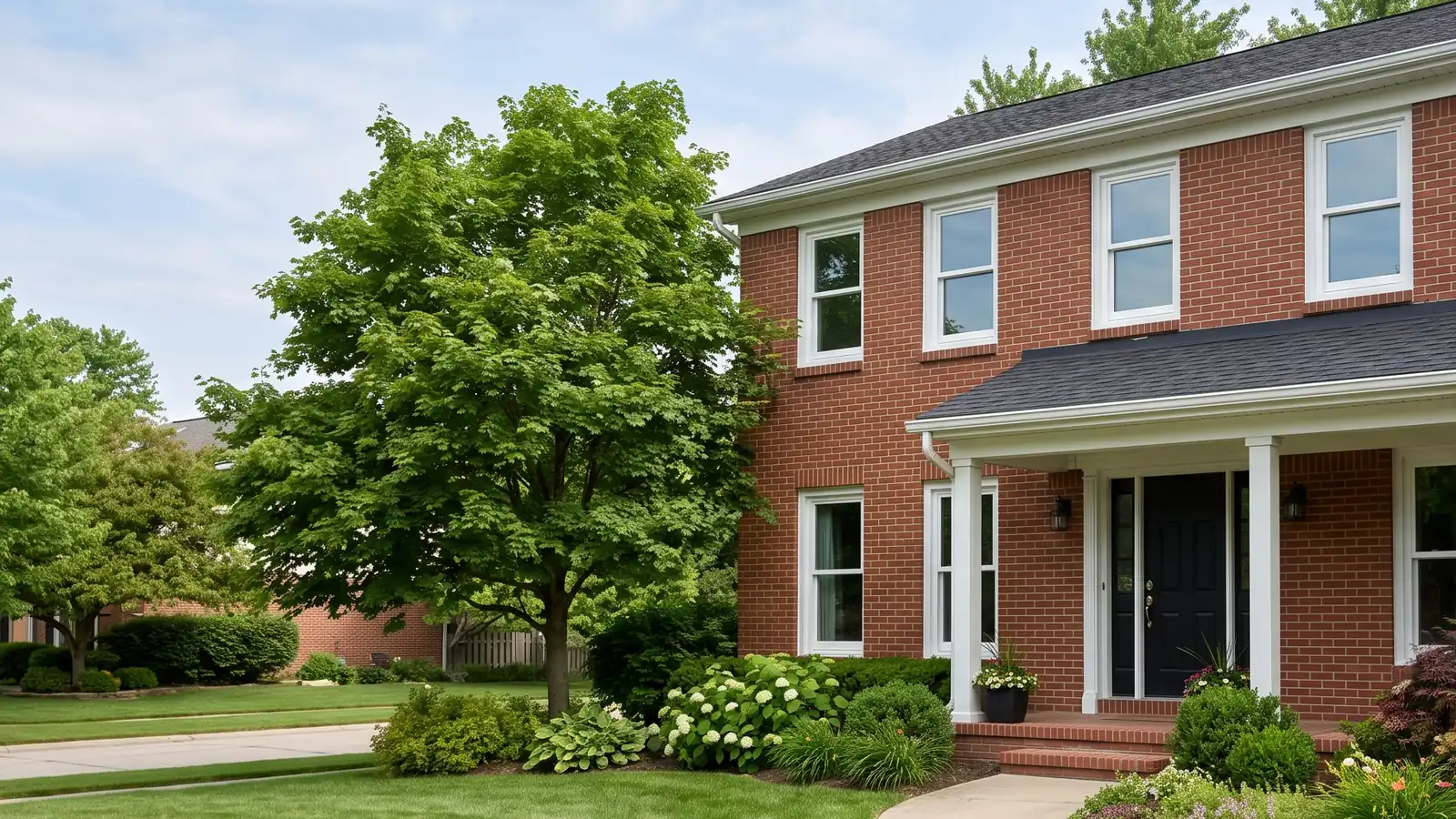
A brick opening is where we think an insert pays off most. In masonry walls the window frame traditionally sits back about one brick from the face, the casing butts against the brick or tucks under it, and the wood sill laps over a sloped stone, concrete or brick sill. An insert leaves the brickmould, the brick joint and the masonry sill where they are.
What's left exposed is the old wood brickmould and sill. They still need protection, and the usual answer is bent aluminum window capping over them. Before anyone caps, though, have the installer probe the sill and brickmould. Capping over soft wood just hides the rot.
Insert Windows vs Sash Replacement Kits
DOE lists three ways to replace a window: a complete replacement, a complete new window inside the old frame (the insert), or new sashes only, where the old frame stays and only the glass, sashes and jamb liners are new. A sash kit keeps the most glass because no second frame goes in. It needs tighter measurements, and the old frame has to be in good shape.
An insert is more forgiving. DOE notes the insert is custom ordered, but its tolerances don't need to be as tight as a sash kit's. If your frames are square and sound and you want every inch of glass, look at window sash replacement. If the jambs are worn or the frame isn't quite square, the insert is the safer order.
Measuring for an Insert
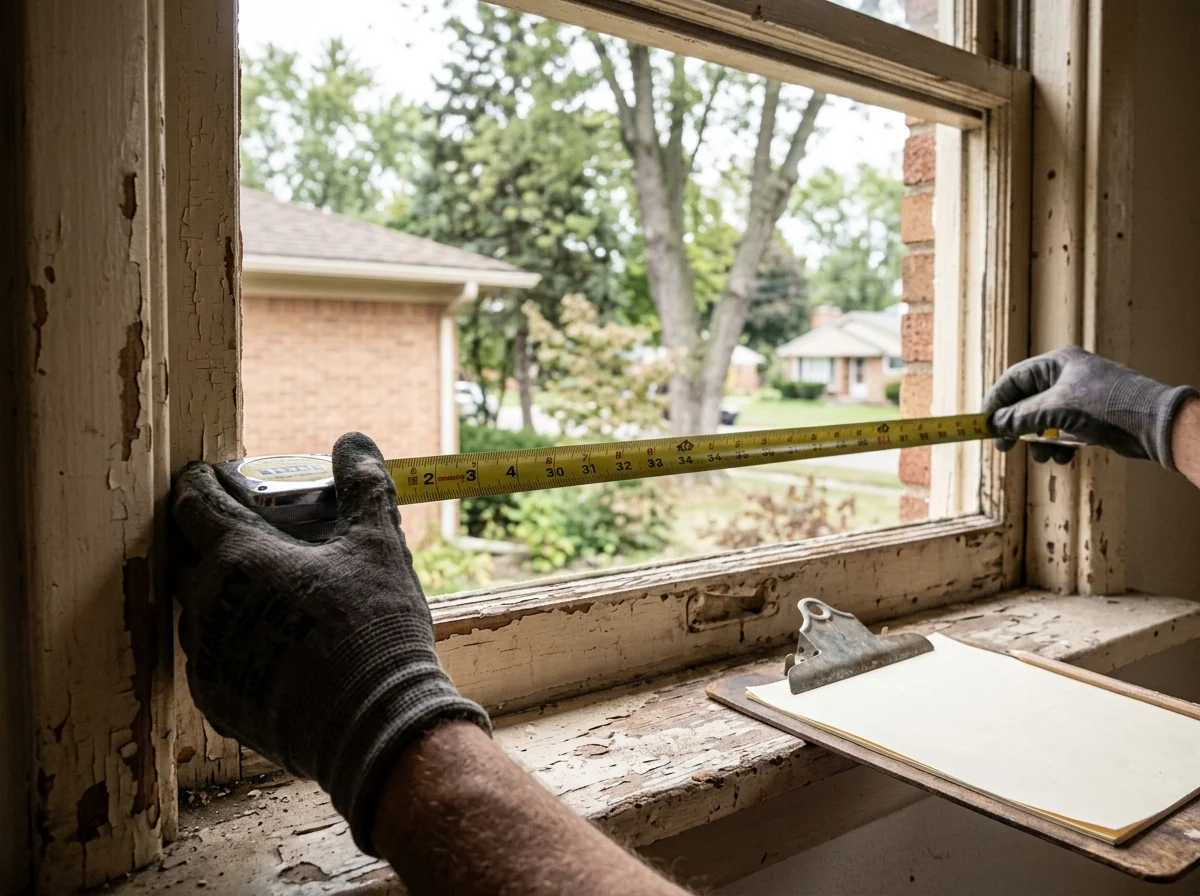
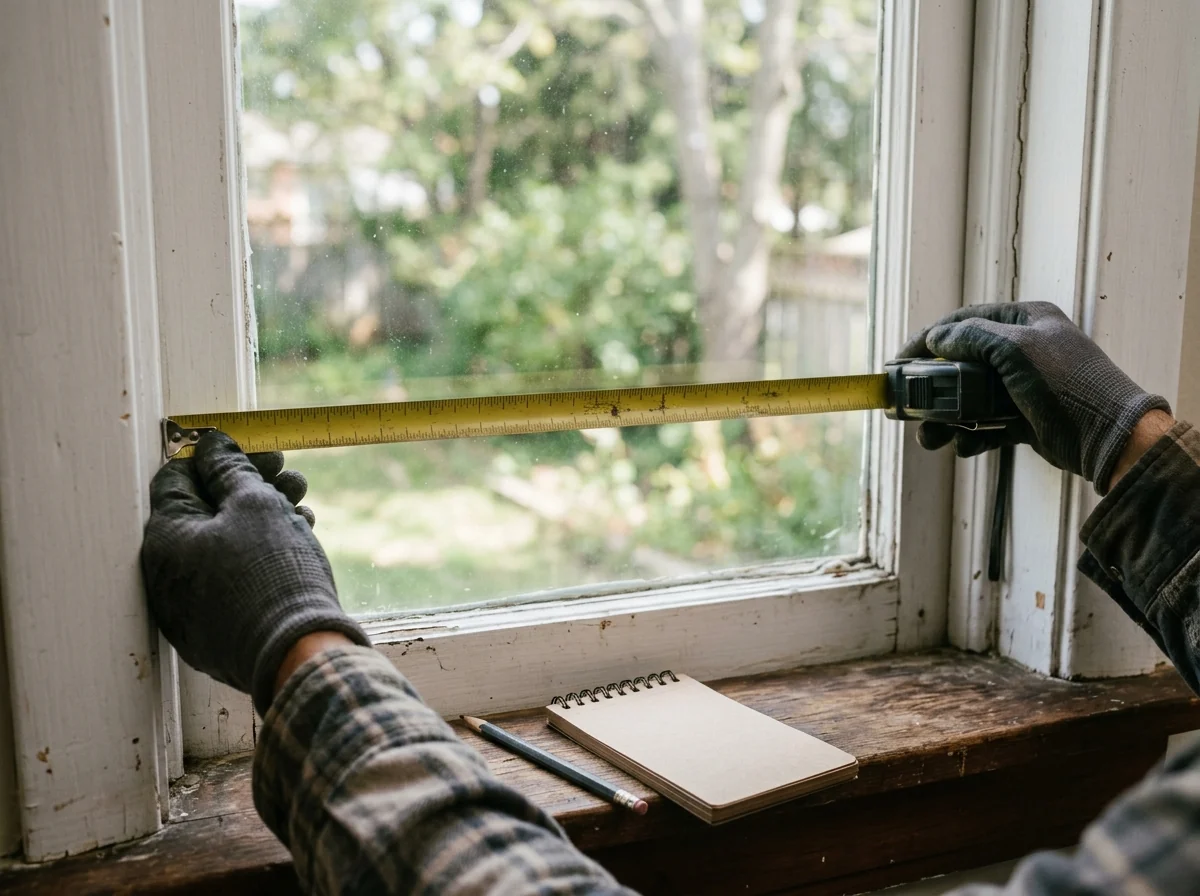
Inserts are made to order for each opening. The installer measures the old frame for each unit. DOE's installation rules call for the new window to sit level, plumb and square, so the measure checks the old frame for all three. A unit too tight won't go in; one too loose leaves a gap that relies on sealant. This is a step we'd never hand to a homeowner with a tape measure: a wrong size is a remake.
Two numbers to ask about at the measure. First, the glass you'll lose. DOE says an insert typically reduces the total glass area, and on a small window that can be noticeable. Second, bedroom egress. DOE warns that an insert can shrink a bedroom window below egress size. The code gives replacement bedroom windows some relief (it's on the egress window installation page), but ask the installer to confirm the clear opening on every bedroom unit anyway.
Why Troy homeowners call Troy Windows
- Free in-home measure of every opening
- Written, itemized quote before any work
- Frames and sills checked before a price
- One local window installer, not a call list
- No charge to homeowners for the referral
When an Insert Is the Wrong Choice
An insert only works if the old frame is sound, dry and square. DOE's guideline is plain that the frame becomes the new rough opening, so anything wrong with it stays wrong. Choose full frame window replacement instead when:
The sill is soft
Rot under the paint spreads under a new window.The frame is out of square
The new window has to sit level, plumb and square, and a racked frame works against that.You want more glass
Full-frame lets the opening keep its full size or change it.Water has been getting in
Full-frame lets the opening be flashed to current practice, by DOE's account.
Insert Replacement Cost and Lead Paint in Troy
HomeGuide describes pocket replacement as common when a window is replaced with another of the same size and style. DOE says the insert gives many of the benefits of a complete replacement at lower cost. For national per-window prices by material, see the cost section on our homepage.
Many inserts in Troy go into frames old enough to carry lead paint, and pulling the stops and parting beads disturbs it. The lead-safe window replacement page explains what the rule asks of the firm.