
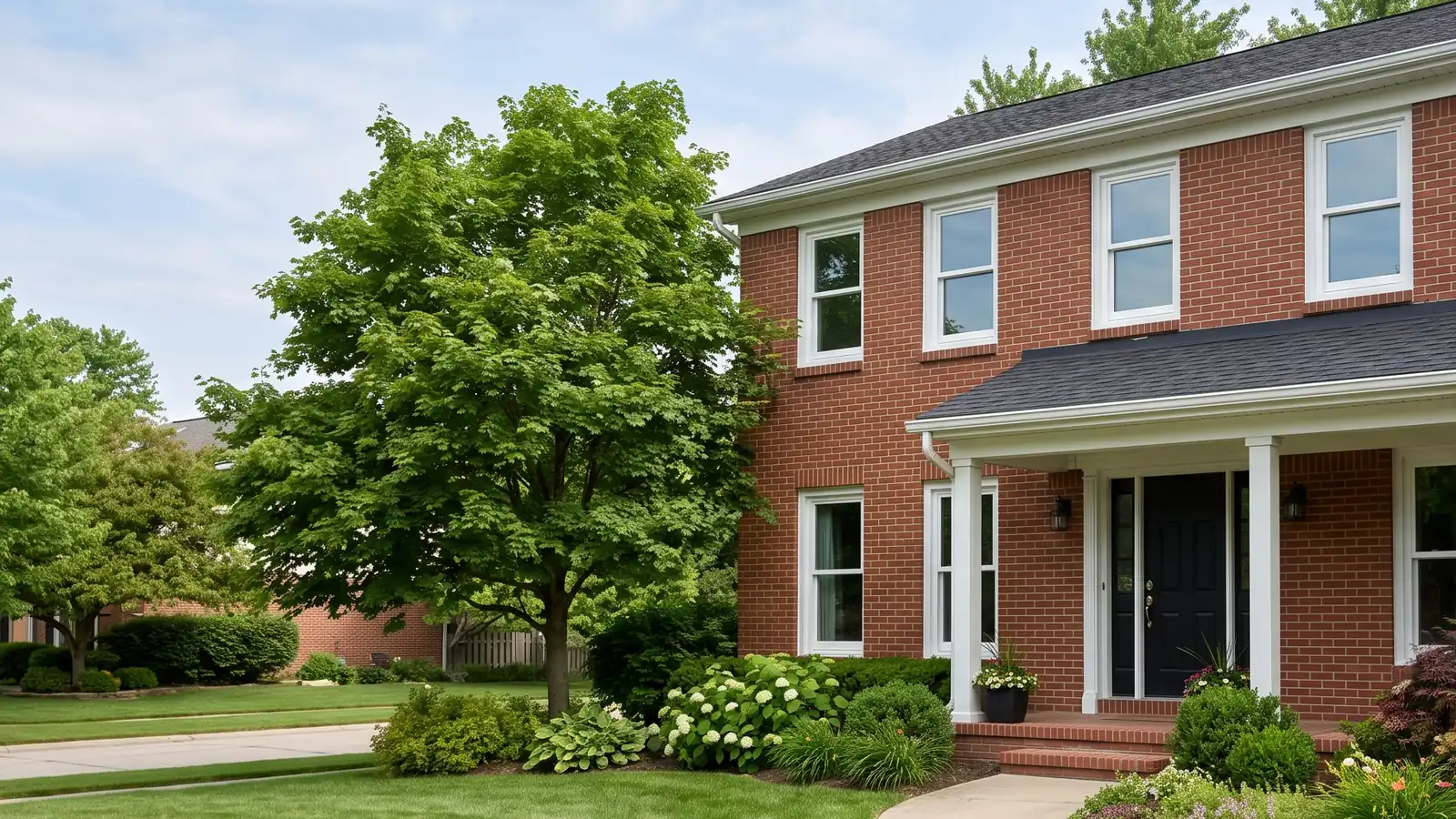
Window Restoration Services
New sashes in an old frame are window sash replacement, and a rotted sill on its own is window sill replacement. Restoration keeps the original sashes.
Wood Sash Restoration
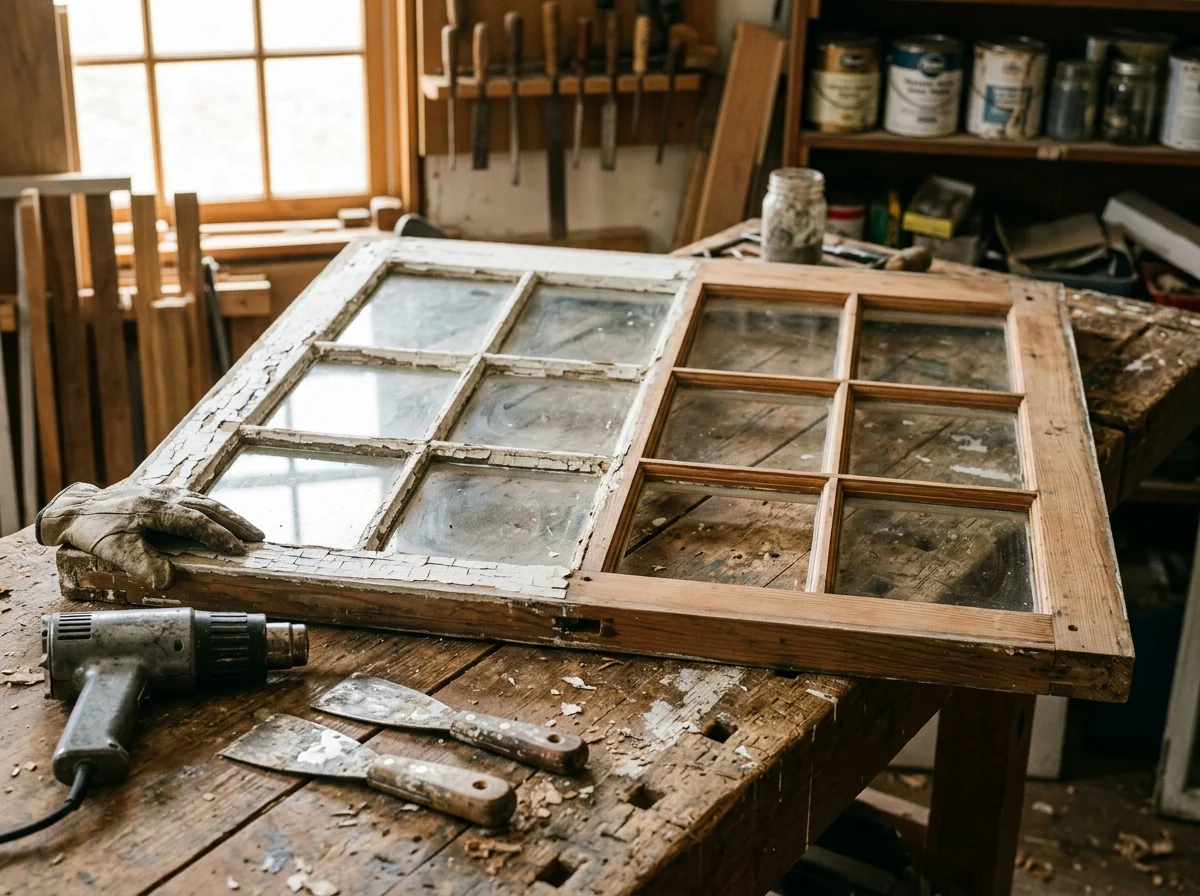
The National Park Service's guide to repairing wooden windows sorts the work into three classes. Class I is routine maintenance: paint, putty and caulk. Class II is stabilizing: consolidating soft wood with epoxy, or filling and patching it. Class III is splicing in new wood or remaking a part, which takes more skill and costs more. Most restorations mix all three.
A typical sash restoration goes like this. The interior stop is pried off and the sash comes out. Loose and failed paint is removed, the joints are checked, decayed wood is consolidated or cut out and patched, and the sash is reglazed and painted. While it's out, the frame and sill get the same inspection. The Park Service's worked example, a double-hung with many paint layers, cracked putty, broken cords and one cracked pane, came back weathertight after relatively simple repairs.
Reglazing (Glazing Putty)
Old putty dries, cracks and falls out, and then water sits against the glass and the wood. Reglazing means removing the old putty, often softened with heat, cleaning and priming the rabbet, and laying a bed of linseed oil putty or glazing compound. The pane is pressed in, held with glazing points, and finished with a beveled bead of putty. The Park Service says glazing compound should only go on wood brushed with linseed oil and primed with an oil-based primer. Paint goes on once a skin forms, in 2 or 3 days, lapping slightly onto the glass.
Owner tip: ask whether the restorer keeps original wavy glass. Old panes break easily during putty removal, and if you want them saved, say so before work starts.
Sash Cord and Weight Repair
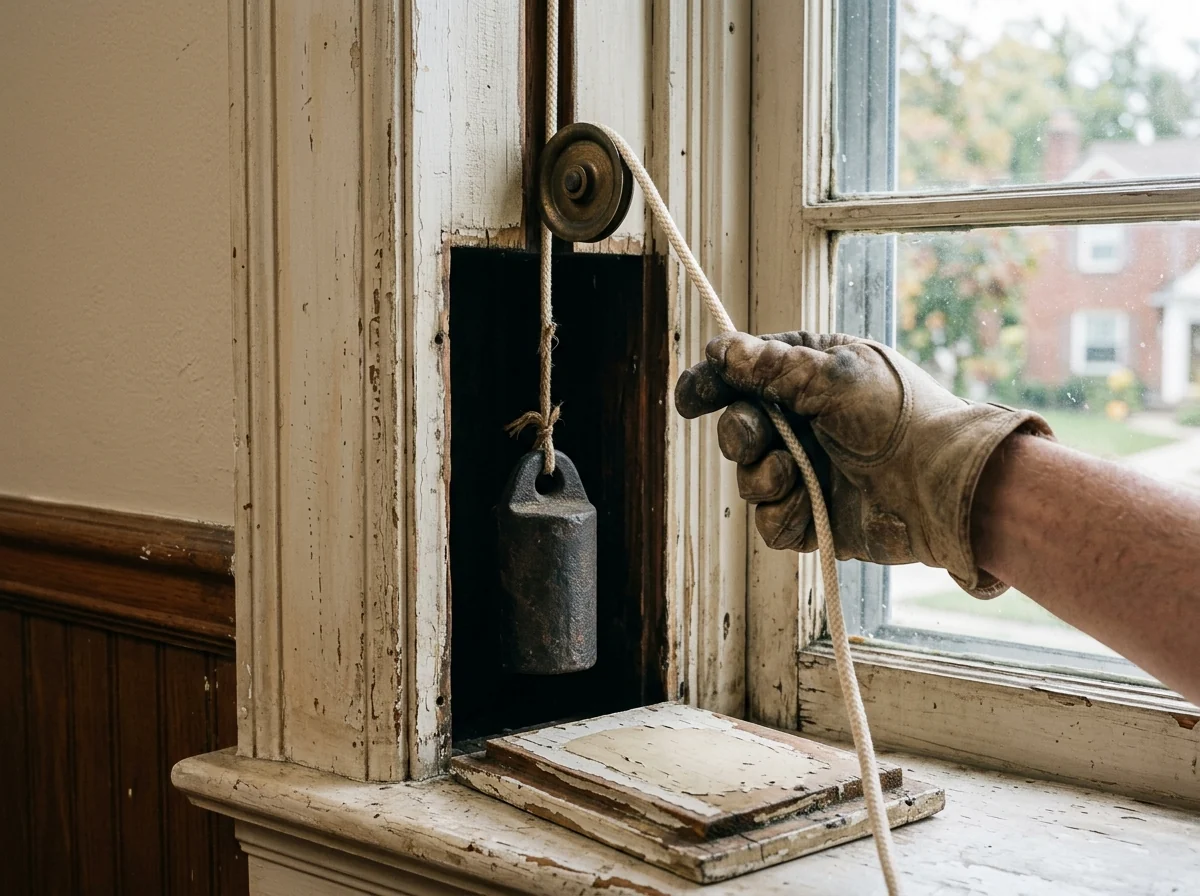
Older double-hungs balance each sash with cast iron weights hung on cords over pulleys in the jamb. When a cord breaks, the sash slams or won't stay up. The Park Service calls replacing cords, with new rope or with chain, one of the most common window repair items. The weight pocket is usually reached through a small access door in the jamb near the sill. If there's no door, the interior trim comes off. The Park Service also notes that weights can be increased so a sash is easier to lift, which helps anyone who struggles with a heavy window.
Historic Window Restoration
In a historic house, the goal is to keep the original material and look: muntin profiles, old glass, sash proportions. The Park Service recommends planning from a window-by-window survey of paint, wood, frame, sill, sash, glazing and hardware condition, and having a millwork shop reproduce any part that can't be saved. Troy has few of these houses. In the Census Bureau's 2024 survey, about 884 of the city's roughly 34,600 homes were built before 1940, under 3%. If yours is one, ask about historic designation or association rules before choosing between restoring and replacing.
Restoring Old Wood Windows vs Replacing Them
Most old windows lag behind new ones in insulation, airtightness and condensation resistance, NFRC's consumer guide notes. A restored single-pane sash on its own still loses heat fast, so our usual answer is to restore the sash and add a storm. The Park Service favors exterior storms where they're feasible because they're thermally efficient, cost-effective, reversible and let the original windows stay.
Replacement makes more sense when most sashes and sills are rotted through, the frames are out of square, or nobody in the house wants the upkeep of paint and putty.
Why Troy homeowners call Troy Windows
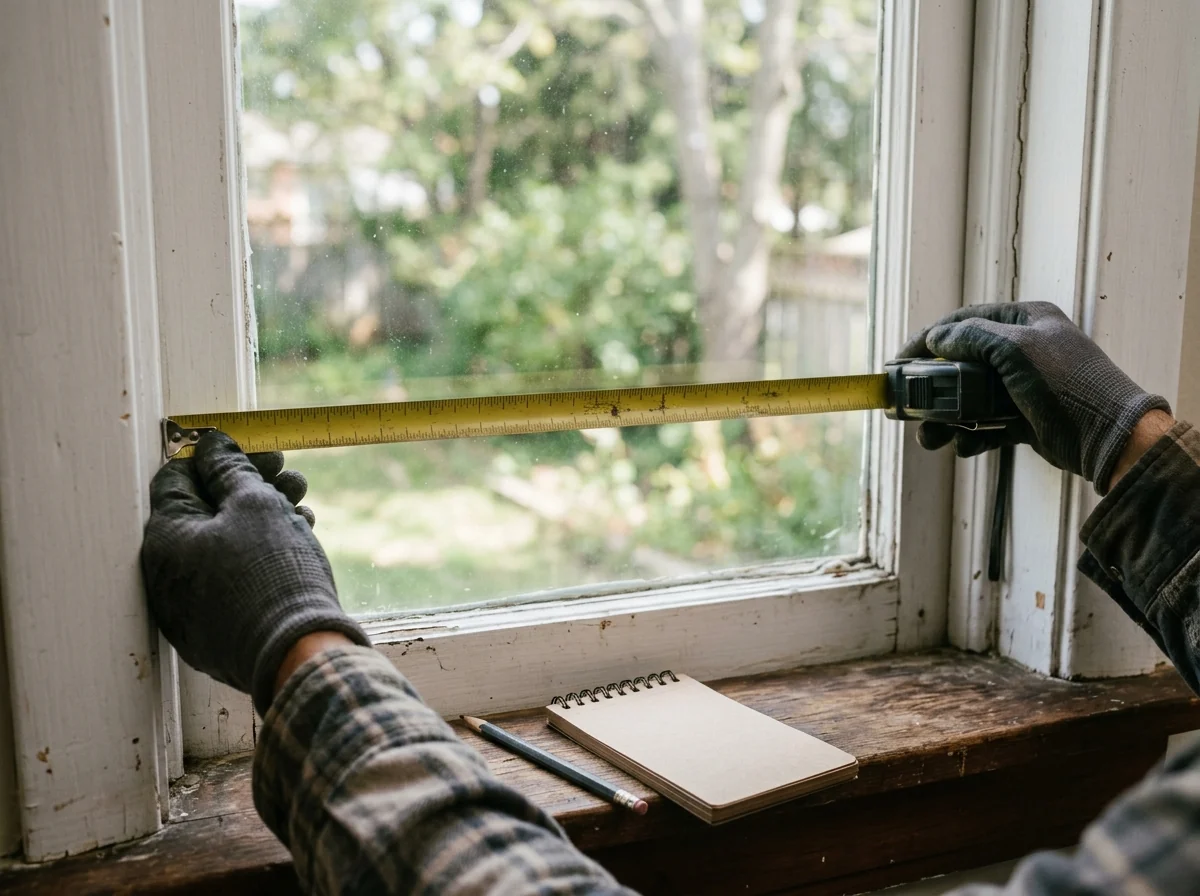
- Free in-home measure of every opening
- Written, itemized quote before any work
- Frames and sills checked before a price
- One local window installer, not a call list
- No charge to homeowners for the referral
Window Restoration Cost in Troy
We haven't found a reliable national price range for full wood window restoration. HomeGuide's sash guide says restoration is usually more expensive than refurbishment because it needs specialist craftsmanship to repair or replicate woodwork and replace glass. These related national figures help you check a quote:
| Job | National range (HomeGuide) |
|---|---|
| Single-pane glass replacement | $150 to $400 |
| Wood frame repair or reframe | $120 to $350 |
| Wood sash replacement, if restoration fails | $300 to $800 |
| Sash or track repair | $200 to $500 |
Ask for the price per sash and for each class of work, so you can compare it with replacement window by window.
Lead-Safe Window Restoration in Troy Homes
Restoration is almost all paint work, so in a pre-1978 house it falls under EPA's lead rule; stripping a houseful of sashes goes far past the small-job threshold. NFRC's guide notes that lead paint is especially common in homes built before 1960, and that dust from friction on painted sashes is a hazard to children. In Troy, about 3,600 homes predate 1960. Ask for the firm's RRP certificate and how it contains dust, both on site and in the shop.
Reglazing an old sash or adding a storm over it doesn't trigger Michigan's energy code for windows, provided it doesn't raise the home's energy use. That keeps restoration simple on paper.