
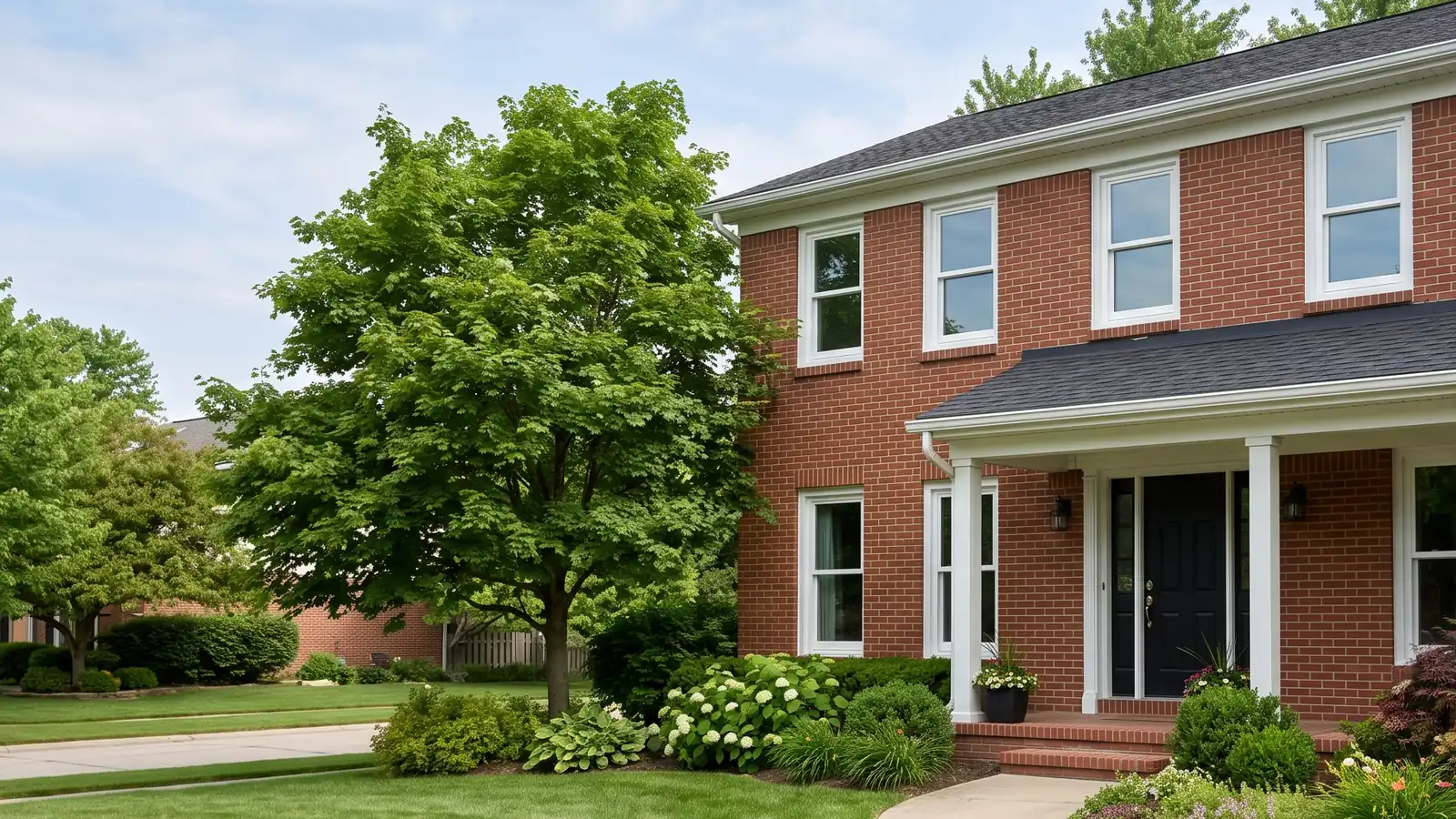
Full Frame Window Replacement Options in Troy
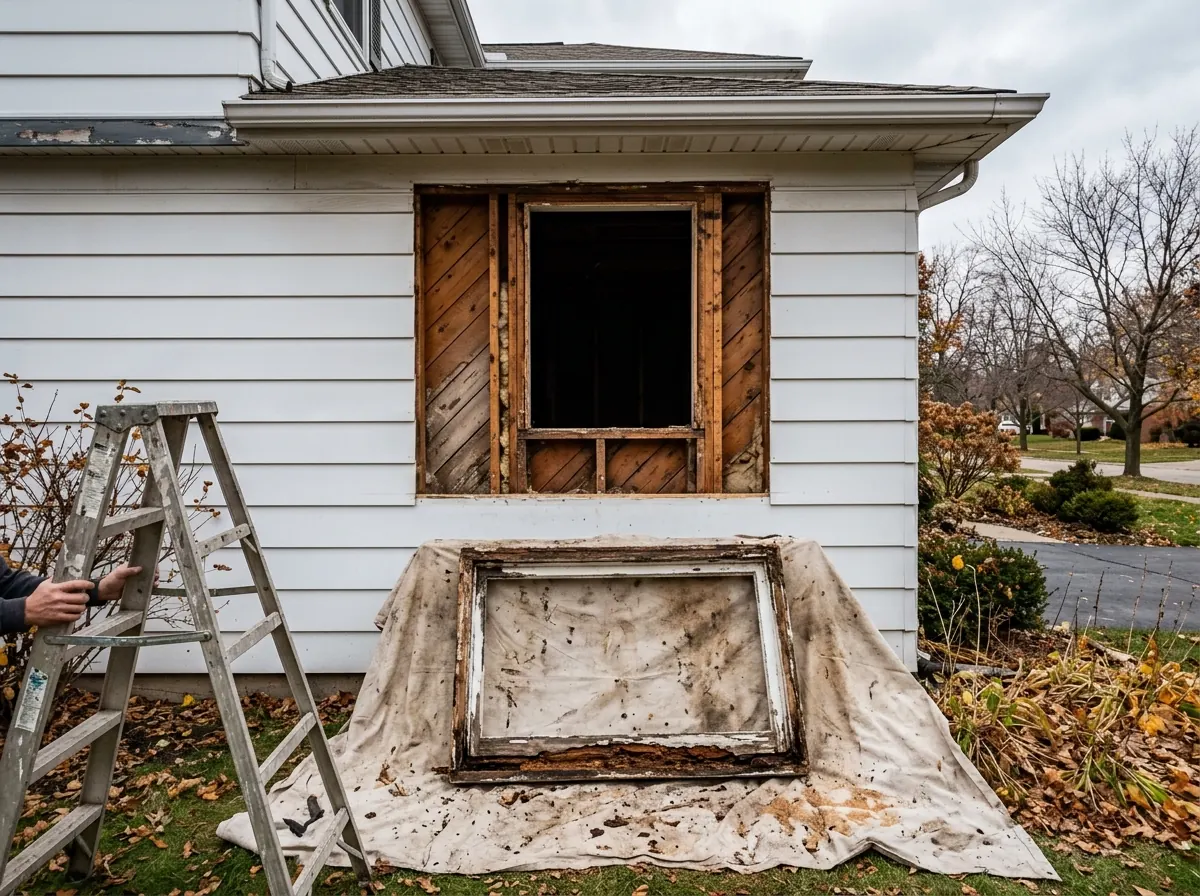
Full-Frame Replacement for Rotted Frames
Rot is the clearest reason to go full-frame. An insert treats the old frame as the new rough opening, so a soft sill or a rotted jamb stays in the wall under the new window. Full-frame takes it all out. DOE's wood-window guideline describes the measure as removing the entire window frame back to the rough framing, often with the interior and exterior casing and trim.
With the opening bare, the installer can see the framing. If the rot has reached the header, the jack studs or the sheathing, that's the moment to fix it. Our tip: ask for a written price for that repair before the job starts, as a per-foot or per-opening figure, so a surprise doesn't stall the day. For rot that stops at the sill, window sill replacement can sometimes save the frame.
Nail-Fin (New Construction) Windows
A nail-fin window has a flange around the outside of the frame that's fastened to the wall sheathing. DOE says it's the typical way windows are attached in membrane and drainage walls, the kind with house wrap or building paper behind the siding. The order matters: the flashing under the sill goes first, then the jamb flashings, then the window with its fins over them, then the head flashing over the top fin. Each layer laps the one below like shingles, so water runs out, not in.
The fin is behind the siding, so the siding has to come off around the opening or be cut back. That makes nail-fin units a natural fit when you're re-siding anyway. DOE notes that block-frame windows with brickmould can also be used in these walls, which is the usual choice where brick surrounds the opening.
Enlarged or Resized Openings
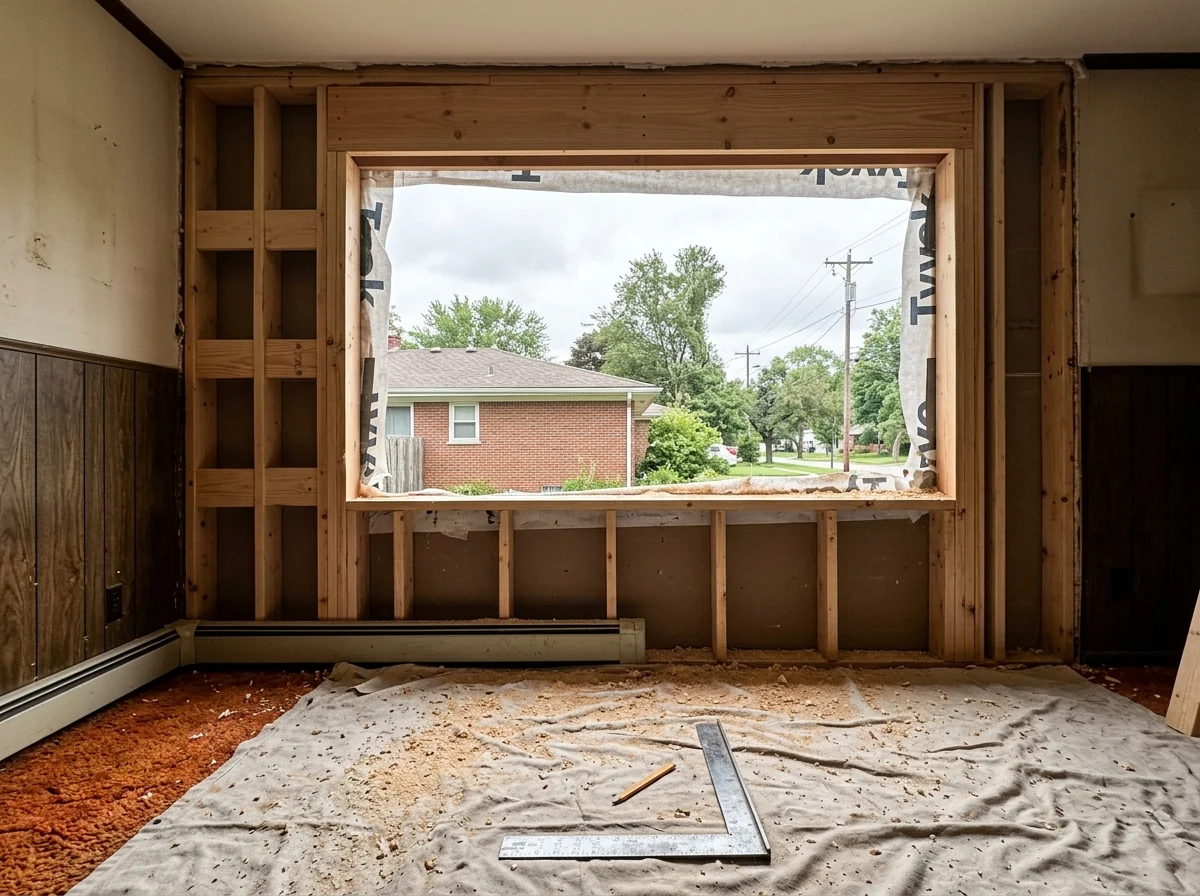
DOE lists resizing as one of full-frame's advantages: window sizes can be adjusted as needed. Sometimes that means adding blocking to bring an oversize rough opening down to the new unit's size. Sometimes it means going bigger: a wider living room window, or a bedroom window enlarged to meet egress size. Widening an opening changes the framing above it, so ask who sizes the new header. That's framing work as well as window work.
If the goal is a basement bedroom escape window cut through the foundation, that's a different job; see egress window installation.
Interior Trim and Drywall Returns
Because full-frame usually removes the casing, the inside gets new trim. The installer either sets new casing and a stool and apron, or wraps the window opening with drywall returns and corner bead for a cleaner, modern look. Gaps between the window and the framing get low-expansion foam. DOE warns against regular expanding foam, which can bow the frame, and against fiberglass batt, which lets air through.
This is where quotes differ most. Some include paint-ready trim, some include painting, and some stop at the window. Ask which.
Flashing Tape and Sill Pans
DOE's installation guidance says sill pan flashings are always recommended. In a full-frame job without new siding, the guideline lines the rough opening on all sides with self-adhered or liquid-applied membrane extending at least 4 inches onto the wall, ties it into the building paper where there is some, and adds a metal flashing under the sill to shed water out over the siding. Finished exterior trim then covers the membrane.
This is the part of the job you never see again, and it decides whether the wall stays dry. We'd ask the installer to walk you through the sill pan before the window goes in.
Why Troy homeowners call Troy Windows
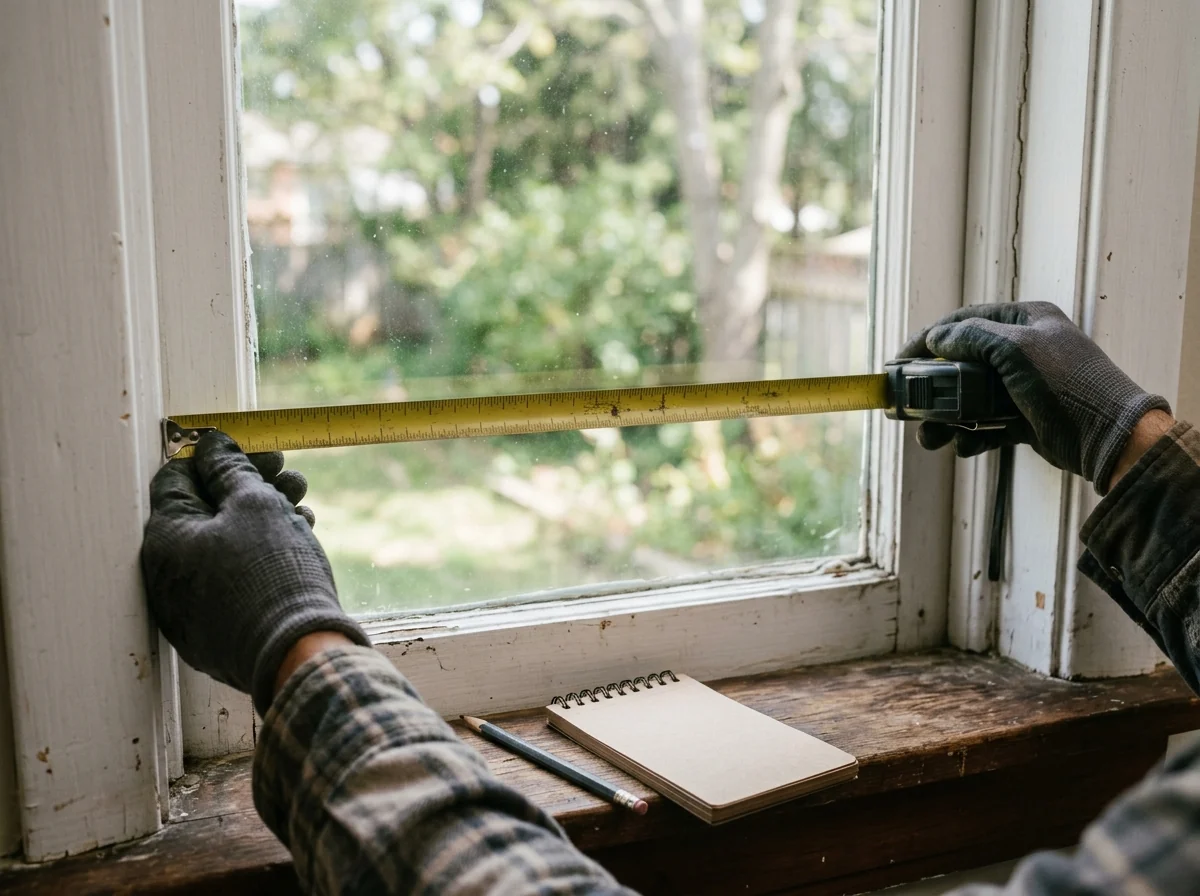
- Free in-home measure of every opening
- Written, itemized quote before any work
- Frames and sills checked before a price
- One local window installer, not a call list
- No charge to homeowners for the referral
Full Frame Window Replacement Cost
Full-frame costs more than an insert because it adds tear-out, framing repair, flashing, siding or brick work and new interior trim. DOE calls it the most intrusive and expensive of the replacement options. We haven't found a reliable national per-window premium for full-frame over insert, so ask for both prices on the same quote where the frame is borderline. For national per-window ranges by window type and material, see the cost section on our homepage.
Hidden rot
Get a unit price for framing repair in writing.Siding and brick
Cutting back vinyl or aluminum siding and patching it is part of the price.Interior finish
Trim, drywall returns and paint vary most between quotes.Capping
If the exterior trim isn't replaced, window capping may be a separate line.
Full-Frame Replacement in Troy Homes
Troy built more homes in the 1970s than in any other decade, so a full-frame job here often cuts through old paint, and it disturbs far more of it than an insert does. In a pre-1978 house that brings in the containment and cleanup described on the lead-safe window replacement page. Because full-frame often changes framing, ask whether the permit is in the quote. If the frame turns out to be sound after all, insert replacement windows are the cheaper route.