
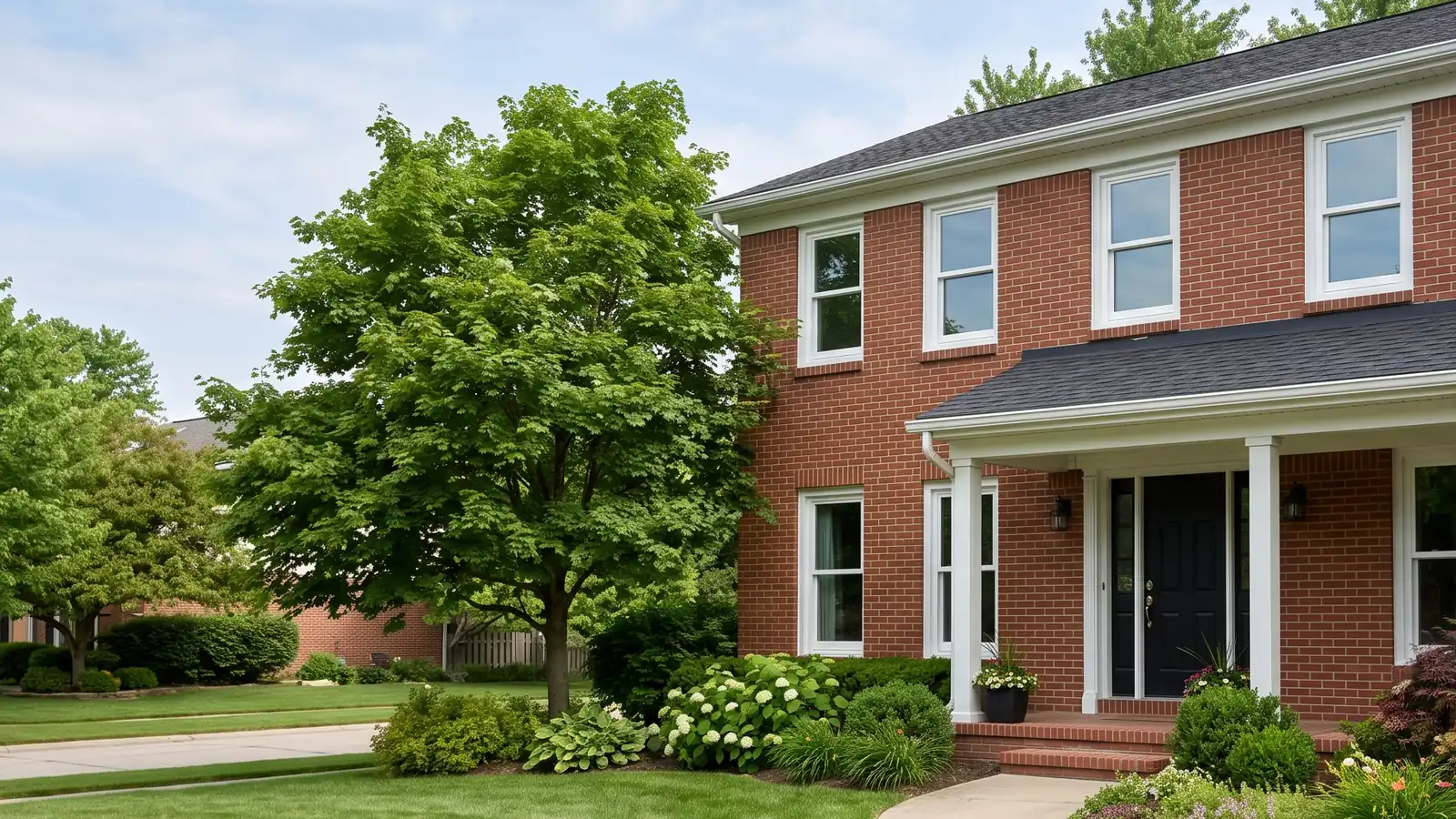
Low-E Glass Options in Troy
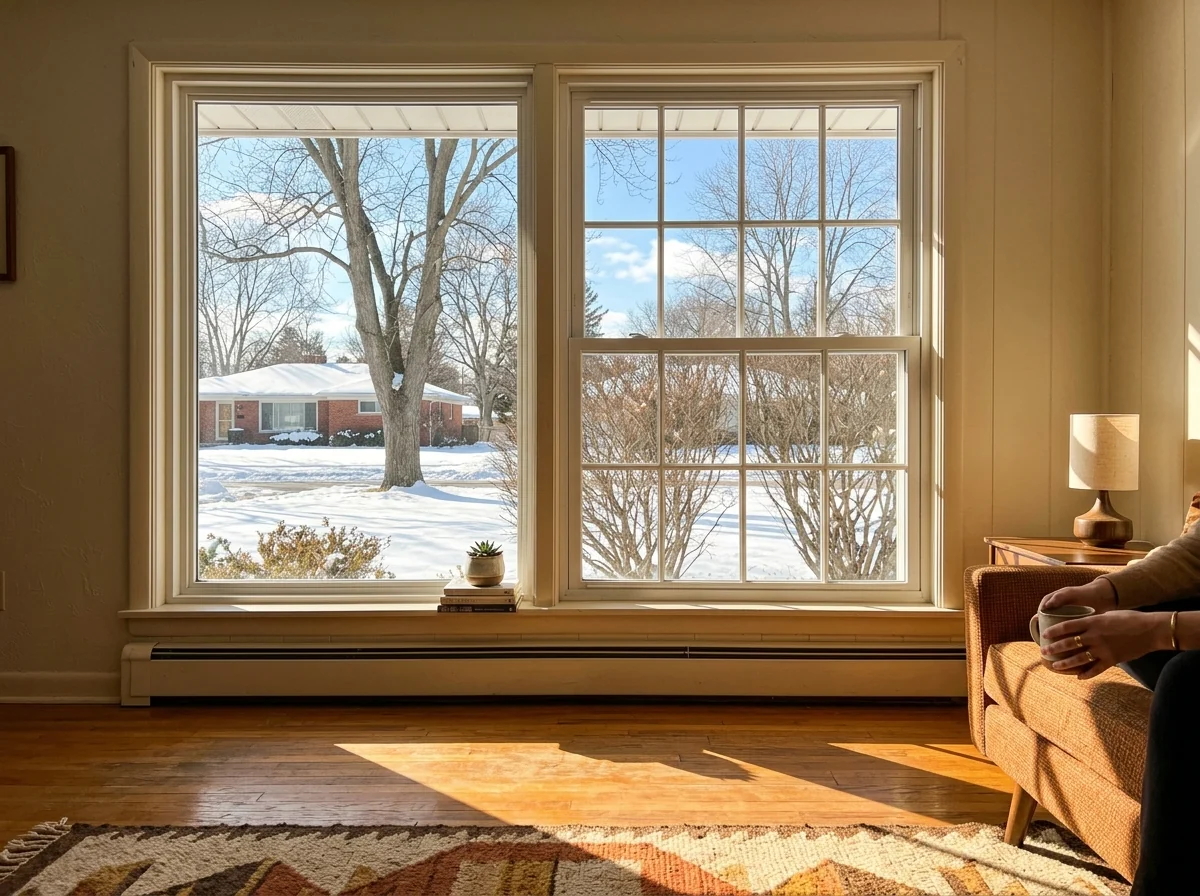
Passive (High-Solar-Gain) Low-E
High-solar-gain low-E keeps heat in but lets the sun's heat through, with an SHGC above 0.40. DOE says these coatings suit heating-dominated climates, especially south-facing windows. That's Troy, with its long heating season. In DOE's cold-climate replacement model, the triple-pane, high-solar-gain low-E window saved the most energy in every city it ran.
The catch is the shoulder seasons. DOE warns that unshaded high-solar-gain glass can overheat a room in spring and fall. Its answer for cold climates is shading that still lets winter sun in, such as a south overhang.
Solar-Control Low-E
Low-solar-gain coatings bring SHGC under 0.25. They block a large share of the sun's infrared heat but still pass visible light, so the room stays bright without the greenhouse effect. Moderate-solar-gain coatings sit in between, at 0.25 to 0.40, and DOE calls them suitable where both heating and cooling matter.
Here's how we'd split a house in Troy. Use solar control on west-facing rooms that bake in July afternoons, and on a sunroom. Use passive or moderate low-E on the north, east and south. One house can have two glass packages; the installer just orders them by opening.
ENERGY STAR's Northern-zone criteria allow an SHGC as low as 0.17 at a U-factor of 0.22, and require a higher SHGC as the U-factor climbs toward 0.26. So most of the trade-off lives inside the rules.
Room-Side (Fourth-Surface) Low-E
Glass surfaces are numbered from the outside in: #1 faces outdoors, #4 faces the room on a double-pane unit. DOE notes that moving a coating between #2 and #3 changes the SHGC but not the U-factor. In heating climates it recommends #3, which lets more winter sun in.
A durable coating on #4, the room side, adds a second low-E layer and pushes the U-factor lower. It has a known side effect: the writer of a 2012 Green Building Advisor article noted that the room-side glass may get cold enough to collect condensation. In a humid bathroom, ask about that before you order it.
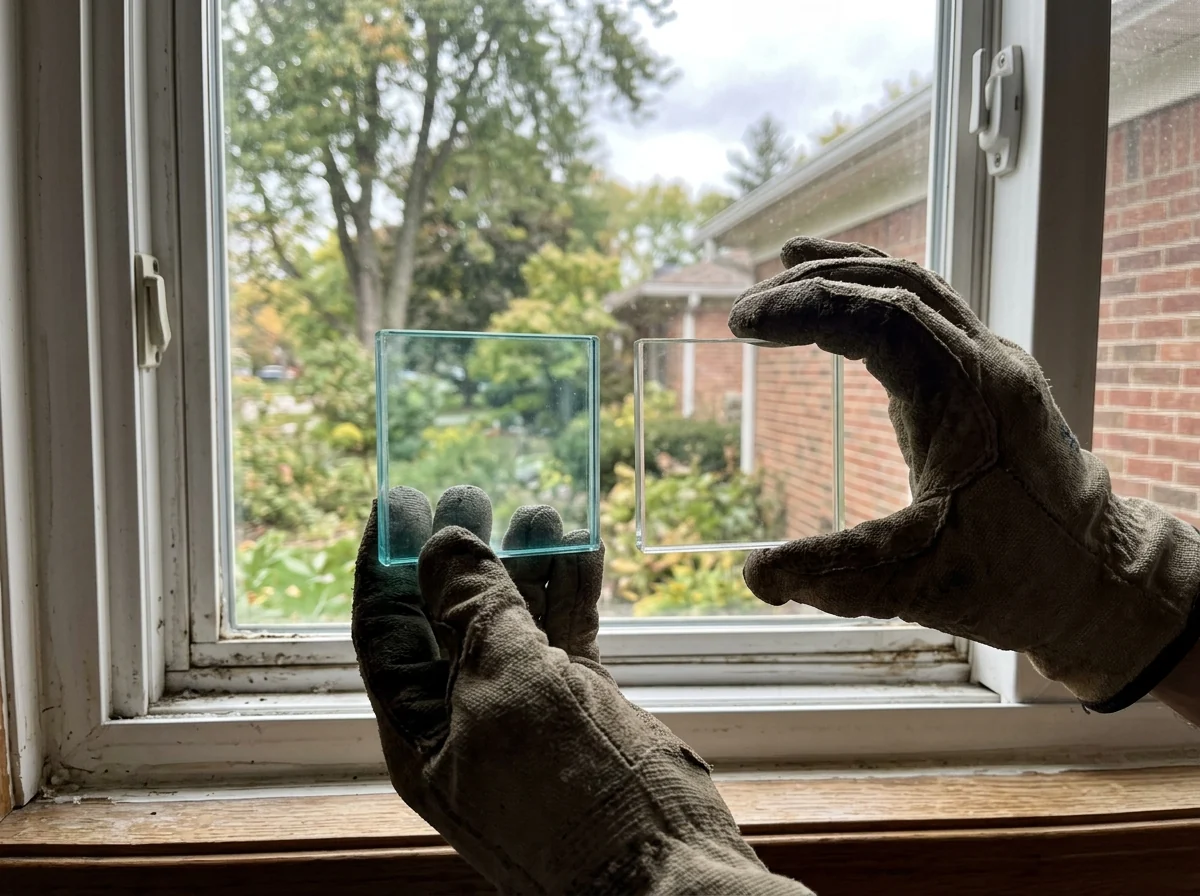
Hard-Coat vs Soft-Coat Low-E
Soft-coat low-E is a thin silver layer sputtered onto finished glass. Coatings come with one, two or three silver layers (sometimes sold as low-E squared and cubed), and each extra layer lowers emissivity. They're delicate, so they have to face the sealed gap inside the unit.
Hard-coat, or pyrolytic, low-E is baked onto the glass while it's still being made. It's tougher, which is why it's the usual choice for storm windows, where the coating gets washed and scrubbed. For a sealed replacement unit we'd go soft-coat; for a storm window over old wood sashes, hard-coat.
For scale, clear glass has an emittance of 0.84. The best low-solar-gain coatings get as low as 0.04, reflecting 96% of long-wave heat. You won't find emittance on the label; it shows up in the U-factor and SHGC.
Argon Fill With Low-E
A coating handles radiant heat. Once it's there, most of what's left moves by conduction and convection in the gap, which is the gas fill's job. Argon is the usual fill at the common half-inch gap; krypton suits the narrower gaps in triple pane windows and costs more.
People ask whether the gas leaks out. DOE cites studies showing under 0.5% a year from a well-made unit, about 10% over 20 years, and says a 10% loss moves the U-factor only a few percent. Seal quality matters more than the gas itself.
Why Troy homeowners call Troy Windows
- Free in-home measure of every opening
- Written, itemized quote before any work
- Frames and sills checked before a price
- One local window installer, not a call list
- No charge to homeowners for the referral
How to Read a Low-E Quote
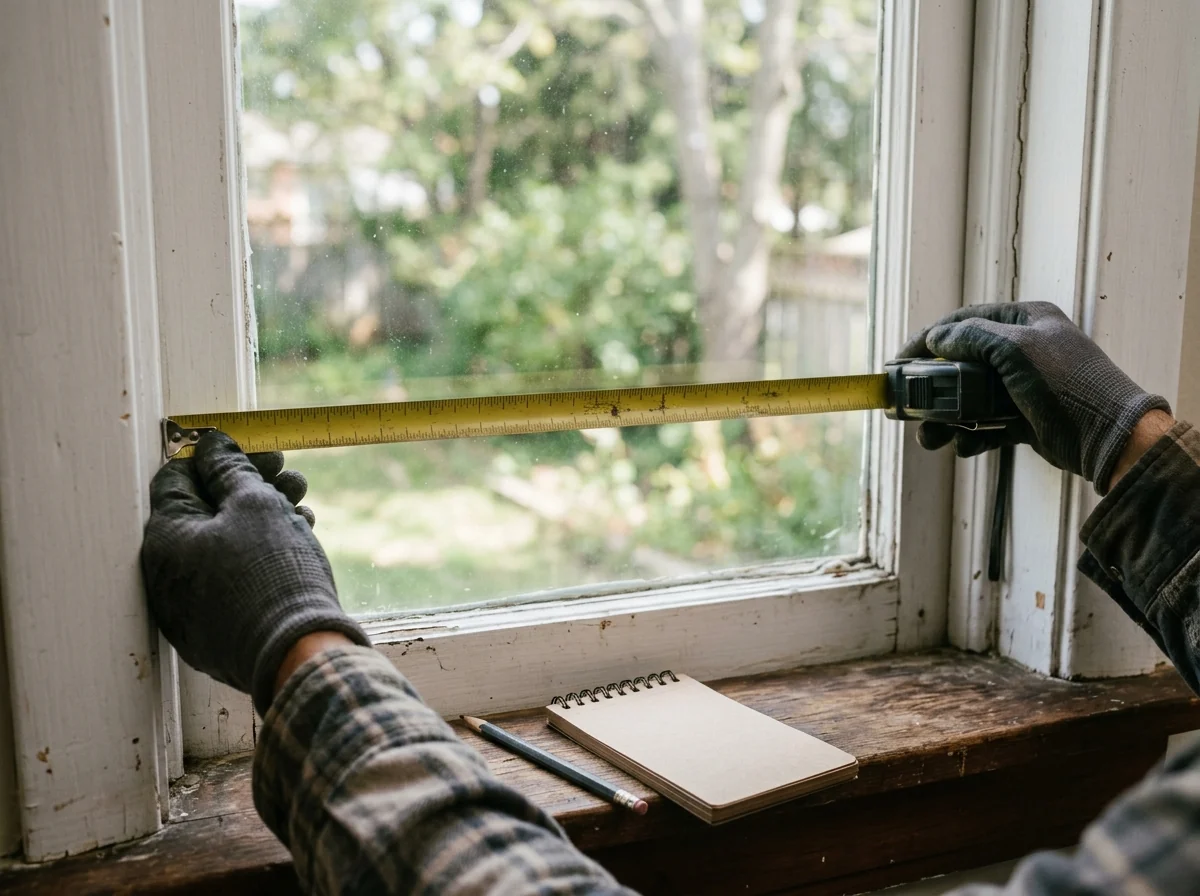
A quote that just says "low-E" doesn't say much. Ask for these on each opening:
Coating type
High solar gain, moderate, or solar control, and which walls get which.Surface
#2, #3, or a second coating on #4.Gas fill
Argon or krypton.NFRC numbers
U-factor, SHGC and VT for the whole window, not center-of-glass.Stickers
Keep the NFRC stickers on until the walkthrough; code checks and utility rebates both go by them.
For how low-E fits with spacers, frames and ENERGY STAR ratings, see energy efficient windows.
Low-E Glass Replacement Without New Windows
If the sash and frame are sound, the installer can order a new low-E sealed unit for the old sash, and Michigan's energy code exempts a glass-only swap like that as long as the home's energy use doesn't go up (see window glass replacement). That's often the cheapest way to get low-E into a picture window that's otherwise fine. It also makes sense when one unit has fogged; the foggy window repair page covers seal failures.